AI cost is the fastest-growing line in the budget
Per-token prices keep falling, yet agents burn far more of them. Governing that spend is its own discipline.

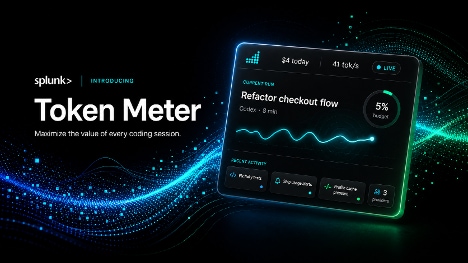
Tie every token to actions so you can right-size every model and catch runaway spend before the bill arrives.
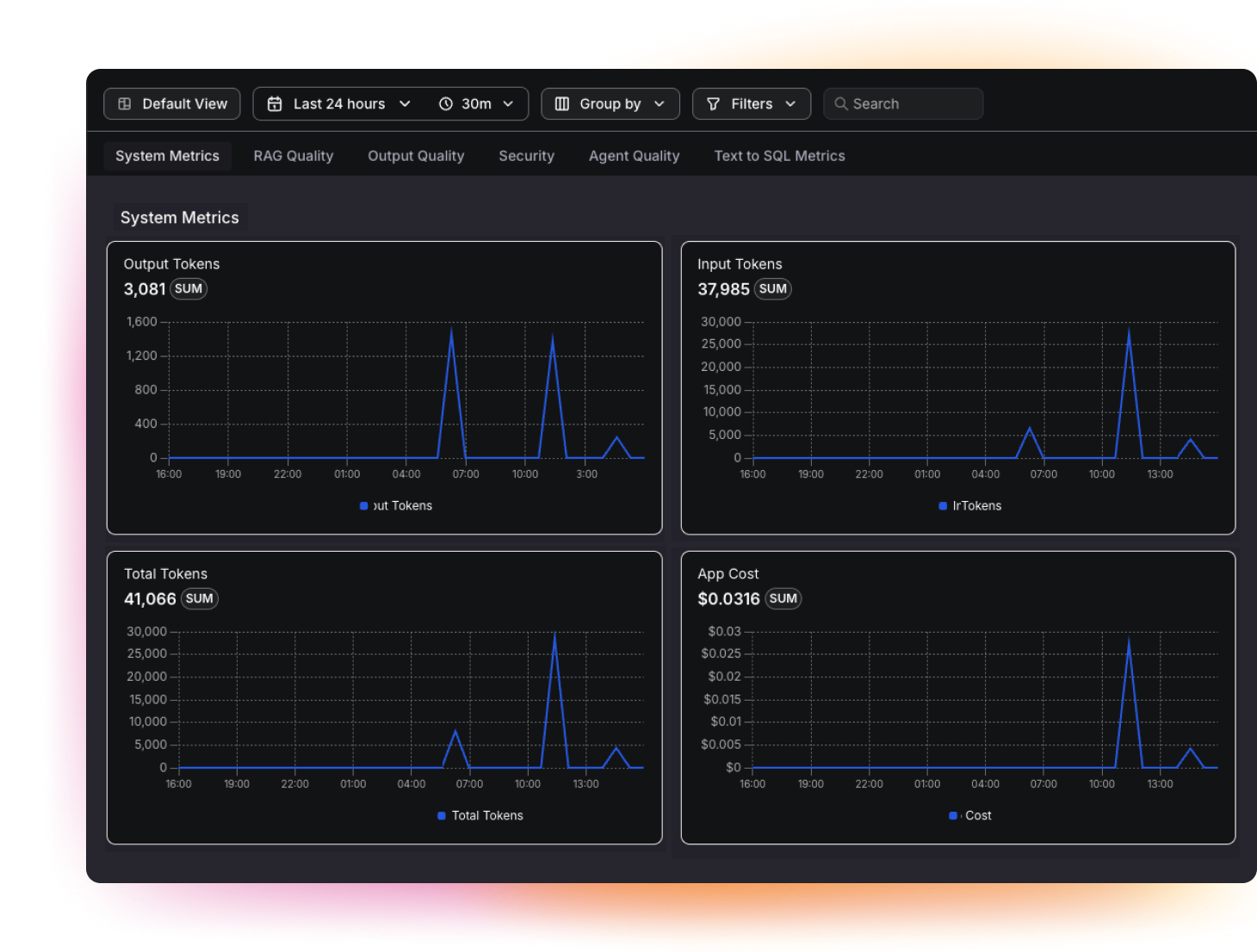
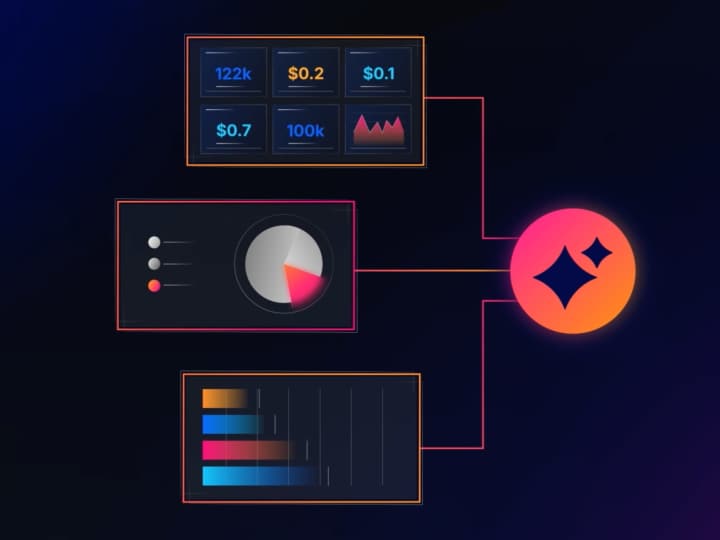
Track token usage and cost by request, model, agent, and workflow, so spend is never a mystery. Cost is correlated to the infrastructure it runs on and agents are graded affordably by Luna, purpose-built small models for evaluation.
Meter and attribute token usage by workflow, then set thresholds and alerts so you catch runaway spend early. Agents plan, retry, and re-read context, so a workflow that looks cheap per step adds up fast. Splunk keeps it inside the budget you set.
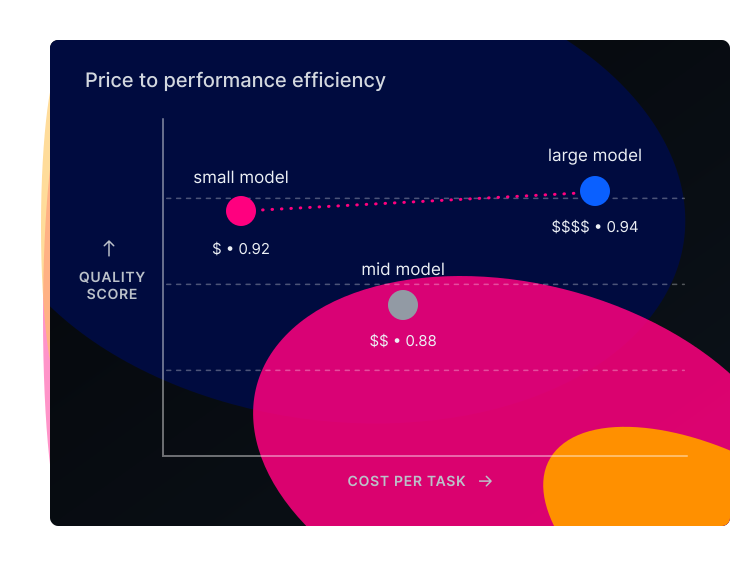
If a cheaper model delivers the same quality, route requests to it. These decisions are easier to make when cost and quality are shown side by side on a single chart for every model and workflow.

features
Read token cost next to quality by request, model, agent, and workflow. When a smaller model scores the same, route to it and keep the spend you saved.
The provider bill is only part of the spend. Correlate token cost with the GPU, memory, vector databases, and network underneath, on one timeline.

Run open-weight models on your own hardware, and there is no invoice to reconcile against. Measure token and infrastructure cost across your self-hosted fleet.
Budget by workflow, set thresholds, and alert when one runs hot. Treat token spend as an operational signal, with limits, owners, and a number you trust before the bill arrives.
Prompt caching lets a pinned prefix be reused at a fraction of the rate, so the bigger prompt is sometimes cheaper. Optimize the real bill, not a token count.

Retry loops and runaway context burn tokens for hours. Watch usage by workflow and set thresholds so a six-figure surprise never lands.
Tokenomics is the practice of governing the cost of agentic AI: metering and attributing token spend by team, app, and workflow, and tying that cost to output quality so you can tell whether it was worth it.
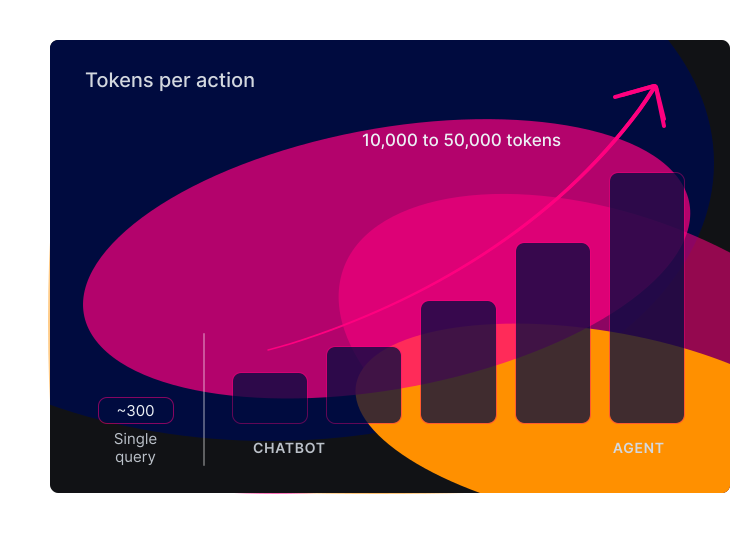
A single query costs a few hundred tokens, but an agentic action can burn 10,000 to 50,000 tokens because agents plan, retry, call tools, and re-read context, which is how teams get six-figure surprise bills.
Read token cost next to quality by request, model, agent, and workflow. When a smaller model scores the same on a task, you can route to it and keep the spend you saved.
No. The provider bill is only part of the spend, and prompt caching means the bigger prompt is sometimes the cheaper one. GPU, memory, vector databases, and network all carry cost, so effective cost matters more than raw tokens.
Yes. When you run open-weight models on your own hardware, there is no invoice to reconcile against, so Splunk measures token and infrastructure cost across your fleet and keeps it inside the limits you set.
Unified threat detection, investigation, and response for the agentic SOC.
Predict and prevent IT issues with AI-driven service monitoring.
© 2026 Cisco Systems, Inc. and its affiliates. All rights reserved.