Watch .conf26 keynotes on demand
Don't miss insights from top Splunk minds and industry leaders on building resilience in the agentic era.
Featured Articles
displayMode
carousel
filter
paths
paths
/en_us/blog/partners/bringing-the-power-of-ai-to-where-your-data-lives-a-new-milestone-with-cisco-and-nvidia
/en_us/blog/partners/splunk-and-aws-building-the-agentic-enterprise-together
/en_us/blog/conf-splunklive/2026-splunkie-award-winners
/en_us/blog/platform/splunk-platform-innovations-cisco-data-fabric-generally-available
/en_us/blog/platform/making-machine-data-easier-to-onboard
/en_us/blog/platform/why-ai-ready-operations-require-a-true-data-fabric
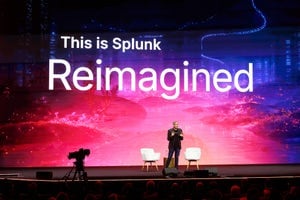
Bringing the Power of AI to Where Your Data Lives: A New Milestone with Cisco and NVIDIA
Announcing an expanded strategic partnership with NVIDIA to bring accelerated AI capabilities directly to our Splunk Enterprise customers.
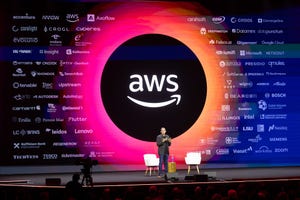
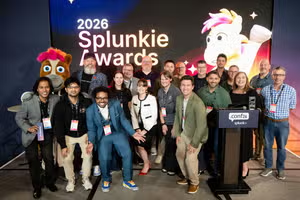

Splunk Blogs
Cisco Data Fabric
displayMode
carousel
filter
paths
paths
/en_us/blog/platform/splunk-platform-innovations-cisco-data-fabric-generally-available
/en_us/blog/platform/escaping-the-cloud-walled-garden
/en_us/blog/platform/machine-data-lake-and-catalog
/en_us/blog/platform/making-machine-data-easier-to-onboard
/en_us/blog/platform/a-general-purpose-lakehouse-is-not-enough-for-machine-data
/en_us/blog/platform/escaping-the-cloud-walled-garden
/en_us/blog/platform/machine-data-lake-and-catalog
/en_us/blog/platform/making-machine-data-easier-to-onboard
/en_us/blog/platform/a-general-purpose-lakehouse-is-not-enough-for-machine-data

Escaping the Cloud Walled Garden
Three Critical Gaps in Multicloud Machine Data—and How Cisco Data Fabric Closes Them


Artificial Intelligence
displayMode
carousel
filter
paths
paths

Introducing Splunk Agent Launchpad: Turn Operational Signals Into Agent-Powered Action
Announcing the general availability of Splunk Agent Launchpad, a no-code way of building agents within your Splunk environment with your RBAC.