Kushagra Sharma's Blog Posts
Kushagra Sharma is a Product Manager at Cisco working on AIOps products that help teams operate complex systems with intelligence and scale. He focuses on translating customer problems into practical, data-driven solutions at the intersection of AI, reliability, and software platforms. Passionate about clear thinking and strong product craft, Kushagra writes to share insights on technology, product strategy, and building systems that actually work in the real world.
Display Mode
Paginated
Filter
Author
Author URL
Limit
6

Asking Vendors to Create Usable Log Data
Here at Splunk, we often talk about best practices to create log events regardless if they are written to file, a network port, or come from the standard output of some program. Since this has been discussed before, I won’t enumerate these practices here, but I will allude to them for the purposes of this topic.

S(plunk)QL
Read how the Search Processing Language (SPL) compares to SQL, and how it can even be easier.
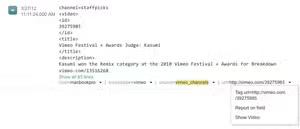
My Data takes me back to HD Videos
The idea was to use the Vimeo REST API to gather all the meta data about your favorite Vimeo HD video channels and then index this into Splunk for historical look up or simply to have it available as a one stop dashboard where you can not only view the information that got indexed, but also use a workflow action to actually view the video.
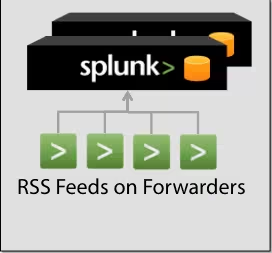
RSS Inputs and Also the Splunk Java SDK
By now, some of you over the years may have downloaded from Splunkbase my reference implementation for using scripted input to index RSS feeds or have read about the topic. The idea is that this input is very low in daily volume (possibly in KBs/day as opposed to MBs/day), but presents itself with many different correlation opportunities from the same Splunk console.
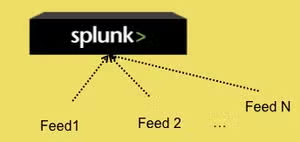
Indexing Feeds
We often talk about indexing the output of a program or script in Splunk as an universal way to index any type of text data that goes beyond monitoring log files.
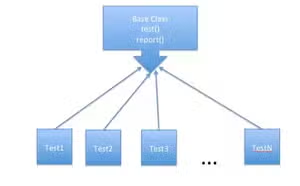
Vulnerability Scanners and Splunk
As I often visit customer sites that have data to send to Splunk from security devices, I find that vulnerability scanners seem to have a lower priority than IDS, IPS, etc. in terms of usage.