Kushagra Sharma's Blog Posts
Kushagra Sharma is a Product Manager at Cisco working on AIOps products that help teams operate complex systems with intelligence and scale. He focuses on translating customer problems into practical, data-driven solutions at the intersection of AI, reliability, and software platforms. Passionate about clear thinking and strong product craft, Kushagra writes to share insights on technology, product strategy, and building systems that actually work in the real world.
Display Mode
Paginated
Filter
Author
Author URL
Limit
6
How’s Traffic?
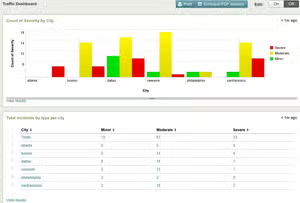
By the title of this post, many of you may assume that I am referring to network traffic. However, today’s topic is about monitoring vehicular traffic incidents or what some of us call accidents in most cases.

The VI Cheat Sheet and Other Reference Guides
A Splunker and a Marine write a blog...no punchline, but they’re the same person. A Splunk Marine takes you through some of their tips and tricks.

NY Metro Splunk Users Group
The first NY Metro Splunk Users Group meeting was held in Jersey City on July 12, 2012. It was attended by a small group of Splunk Users as this was used more as a planning meeting to launch the group and add more community members.

Zeromq as a Splunk Input
Occasionally, people ask me how to get a message from a message queue such as JMS to deliver its messages into Splunk. I point them to the approach I put up on Splunkbase where a JMS listener is called by Splunk as a scripted input and dequeues messages that are put on queues of interests.

Identifying Phishing Sites in Your Events
Recently, I thought I was caught in a phishing scheme where I created an account on an e-commerce site to checkout and as soon as I clicked on the checkout button, it asked me to log onto a well known site.

Asking Vendors to Make Log Events Accessible
In my last blog entry, I wrote about asking vendors to make their log event formats follow industry best practices. Now, if the log events reside in files or can be broadcast out on network ports, this makes it quite easy to access them with technologies such as Splunk Universal Forwarders.