Kushagra Sharma's Blog Posts
Kushagra Sharma is a Product Manager at Cisco working on AIOps products that help teams operate complex systems with intelligence and scale. He focuses on translating customer problems into practical, data-driven solutions at the intersection of AI, reliability, and software platforms. Passionate about clear thinking and strong product craft, Kushagra writes to share insights on technology, product strategy, and building systems that actually work in the real world.
Display Mode
Paginated
Filter
Author
Author URL
Limit
6

Splunk REST API is EASY to use
If you are feeling adventurous and have a burning desire to try out Splunk’s REST API, look no further, this article demonstrates the first few basic steps to get you started. I am going to demonstrate how to create a search job and retrieve the search results with Splunk’s REST API using your preferred programming language (I am using Python in this article). I tested this code against Splunk 4.2.2
Real-time Status
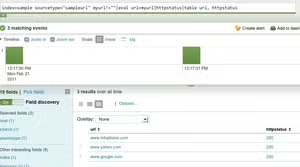
Splunk users are familiar with real-time indexing, real-time search, and with release 4.2, real-time alerts. I’d like to take these concepts of real-time monitoring one step further to provide pro-active status of an entity while a search is being processed for entities (i.e., ip address, URL, hostname, etc) that are already in your index.

Splunk and Sports
As I write this, the NBA Basketball playoffs are under way and some of you may be interested in what is currently happening with the sport.

Storing encrypted credentials
Build the greatest Splunk app that gathers data from all different source, some that are public and others that require credentials, index them in Splunk and then do some cool things with it.
Correlating with Splunk IP Watchlist
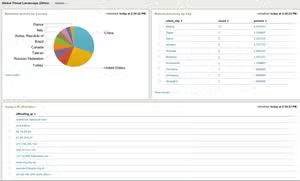
Last year, fellow Splunker, Dave Croteau, created a prototype to daily index the world’s top 100 suspicious, or in some cases malicious IP addresses, by using a list created by the dshield.org web site.

Managing Index sizes in Splunk
When deploying Splunk, the topic of how to manage index sizes will surface. The following is a detailed scenario on how you can manage index space in Splunk (Valid for pre 4.2.x lines of Splunk – this is now much easier with 4.2 and higher).