Kushagra Sharma's Blog Posts
Kushagra Sharma is a Product Manager at Cisco working on AIOps products that help teams operate complex systems with intelligence and scale. He focuses on translating customer problems into practical, data-driven solutions at the intersection of AI, reliability, and software platforms. Passionate about clear thinking and strong product craft, Kushagra writes to share insights on technology, product strategy, and building systems that actually work in the real world.
Display Mode
Paginated
Filter
Author
Author URL
Limit
6
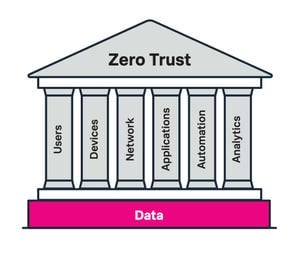
Fashionably Late: The Zero Trust Trend is Here to Stay
Whether you were hip to the zero trust trend before it started being cool, or are arriving fashionably late, learn how to leverage a data-driven approach to achieve zero trust outcomes and improve the overall security capabilities of the organization in the process.
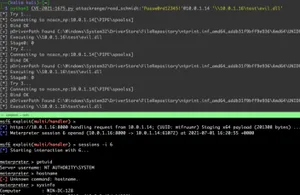
I Pity the Spool: Detecting PrintNightmare CVE-2021-34527
Read on for details around Detect PrintNightmare (CVE-2021-34527), a critical vulnerability that affects the Print Spooler service and can perform remote code execution.
Splunker Stories: Dan Hughes
In our latest edition of our 'Splunker Stories' series, we meet Splunk’s Head of National Government in our UK Public Sector, Dan Hughes.

Distributed Tracing for Kafka Clients with OpenTelemetry and Splunk APM
In this blog, we will cover how to enable distributed tracing for Kafka clients with OpenTelemetry and Splunk APM.

How to Optimize Your Cloud Spend Using Observability
Cloud services make deployment easier but can make costs higher. Learn how Observability can help you control your cloud costs in this blog post from Splunk.

Splunk Named Market Share Leader in ITOM and SIEM Reports
Thanks to you, Splunk is the market share leader in ITOM and SIEM, again!