Redundancy vs. Resiliency in IT: What’s The Difference?
Learn Leanne MittonKey Takeaways
- Redundancy involves duplicating critical system components so that if one fails, another can seamlessly take over, increasing reliability but potentially adding complexity and hidden risks if used alone.
- Resiliency is about designing systems to anticipate, absorb, and recover from failures, through adaptive design, automated failover, and proactive practices like chaos testing and fault isolation‚ to maintain continuous service.
- The most robust and reliable systems strategically combine redundancy with resiliency, using proactive monitoring, fail-safe design, and rehearsed recovery processes to minimize downtime and ensure business continuity.
Redundancy and resiliency are both important factors for keeping things running smoothly in many industries. For example:
- In aerospace and aviation, redundancy and resiliency ensure the safety and reliability of aircraft systems, going a long way towards traveler safety.
- In healthcare, they keep critical medical equipment working properly so that patients get the care they need.
- In telecommunications, resilient systems ensure that phone and internet services stay up and running without interruption.
Even small businesses, like home-based operations or mom-and-pop shops, should think about redundancy and resiliency to avoid disruptions in their day-to-day work.
While researching for this article in my home office, my internet service went out and stayed out for a couple of hours. As I scrambled to set up a hotspot from my cellphone to my laptop, the irony of the situation hit me — compounded by the frustration of a painfully slow connection.
It disrupted my workday and highlighted just how much you want to think about reliable services and minimizing disruptions.
Redundancy and resiliency measures are important when keeping your systems running smoothly — especially when life throws you a curveball, like a sudden internet outage. These strategies help keep things on track, making them important for anyone wanting to improve their systems.
Key takeaway: redundancy vs. resiliency
Redundancy and resiliency are often talked about together and you can’t have one without the other, as the video below shows. If you know the differences and how they work together can help you build more reliable systems and protect against surprises.
Each has a different job to perform:
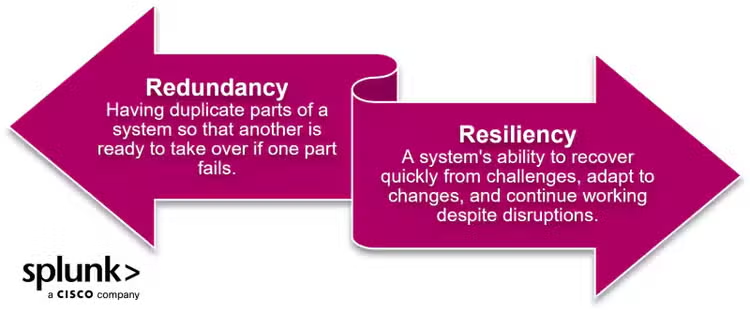
- Redundancy means having duplicate parts of a system so that another is ready to take over if one part fails.
- Resiliency is a system's ability to recover quickly from challenges, adapt to changes, and continue working despite disruptions.
Remember — redundancy is about having backups, while resiliency focuses on the system's ability to withstand and adapt to disruptions. Knowing when to use each one can lead to stronger systems.
What is redundancy?
Redundancy involves deliberately duplicating parts of a system, like hardware, software, or network paths, to take over if something fails.
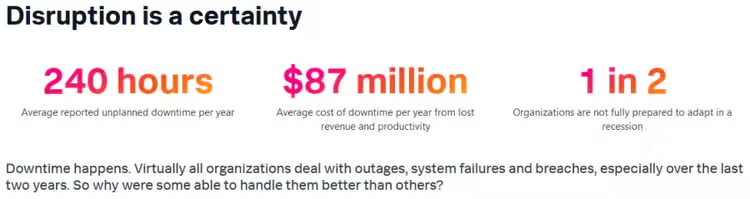
It’s a way to stop downtime before it happens. That’s especially important when you consider the cost of downtime.
Benefits of redundancy
Minimizing single points of failure: Backup components make sure systems are less likely to completely fail, ensuring they keep running. This is especially important in places where downtime could cause safety risks or big financial losses.
Improved performance: Backup systems can share the work, which might make things run better. Even if one part is under strain, others can help and pick up slack, keeping things efficient.
Simplified maintenance: Redundancy can allow maintenance without interrupting service. For example, if one server needs updates, tasks can be redirected to another server, so operations continue smoothly.
Enhanced security: Redundant systems can also improve cybersecurity by spreading out data storage and processing. This makes sure that even if one part fails, your important data is still safe and available.
Types of redundancy
- Hardware redundancy: Using duplicate physical components, like having multiple servers in a data center. If one server fails, traffic can be redirected to another, so everything keeps working.
- Software redundancy: Having backup software solutions or failover applications. If a main program crashes, a backup can take over, preventing disruptions.
- Network redundancy: Ensuring multiple communication paths exist between devices. If one network path fails, data can still be sent through another route, keeping connections alive.
- Data redundancy: Creating copies of important data in different places. This protects against data loss and makes recovery easier if something gets corrupted.
While redundancy can be expensive, the long-term benefits usually make it worth it. The key is to figure out where redundancy is most needed and balance reliability with cost.
What is resiliency?
Resilience, or resiliency, is a system's ability to handle problems and bounce back quickly. It’s about building systems that can handle issues, adjust, and keep working without needing extra parts.
(Splunk’s mission is to help organizations build resilience: digital resilience & business resilience.)
Key resiliency strategies
- Failover mechanisms: Automatically switching to backup systems or processes when something fails. This smooth transition helps minimize disruption and keeps things running.
- Decentralization: Spreading out resources and workloads across multiple locations or systems to avoid a single point of failure. If one part has issues, others can still function.
- Data resiliency: Ensuring that your data can survive and recover from disruptions, such as cyberattacks or natural disasters, by implementing robust backup and recovery solutions. This helps maintain data integrity and availability, even in the face of unexpected challenges.
- Regular testing and drills: Regularly testing backups to make sure they work when problems happen. Drills help teams respond effectively to emergencies.
- Adaptive design: Creating systems that can adjust when things change or go wrong. This might include scalable infrastructure that can change resources based on current needs.
- Continuous monitoring and improvement: Keeping a close eye on system performance to spot potential issues before they become big problems. Regularly reviewing system data helps identify areas for improvement to increase resilience.
Using these strategies makes systems better able to handle failures, improves efficiency, and creates a stronger, more resilient environment.
Redundancy vs. resiliency: Key Differences
Understanding the differences between redundancy and resiliency is key to managing systems effectively. Both aim to prevent disruptions but in different ways.
Focus & purpose
- Redundancy focuses on having backup systems or components to ensure reliability if something fails. It’s about duplication to avoid single points of failure.
- Resiliency focuses on the system’s ability to handle challenges and bounce back quickly, with less emphasis on having backups.
Implementation
- Redundancy usually involves spending more on additional hardware or software, creating a more complex system.
- Resiliency involves strategic planning that encourages flexibility and adaptability without necessarily duplicating components.
Response to failures
- Redundant systems switch to backups smoothly when something fails.
- Resilient systems might have temporary disruptions but are designed to recover quickly and learn from failures to improve in the future.
(Related reading: incident response & MTTR mean time to recover.)
Common misconceptions
There are some common misunderstandings about redundancy and resiliency, especially in IT systems:
Interchangeability: People often think redundancy and resiliency are the same or serve the same purpose. But while both help make systems reliable, they tackle different issues. Redundancy is about having backups, while resiliency is about recovering and keeping going after a failure.
Redundancy guarantees resiliency: Some believe that having redundant systems means the system is resilient. Redundancy alone doesn’t mean the system will bounce back from problems. Resiliency requires extra features, like fault detection and recovery mechanisms.
Cost and complexity: Many think more redundancy always leads to better outcomes. While it can improve reliability, it also makes systems more complex and expensive. Good resiliency means balancing redundancy with other methods.
Single point of failure: Some assume redundancy alone eliminates all single points of failure. But redundancy in one area doesn’t always protect against failures elsewhere. For example, backup generators won’t help if the cooling system fails, showing that redundancy needs to cover all bases to support resilience.
Focus on equipment: People often focus only on equipment when thinking about redundancy and resiliency, overlooking other factors like human resources and processes. Real resiliency also means having trained people and good plans to deal with problems.
One size fits all: Every organization’s needs are different, so not every system requires the same level of redundancy or resiliency. What works for one company might not work for another, highlighting the need for customized solutions.
Understanding these misconceptions is important for designing systems that are both reliable and resilient, so they can withstand and recover from disruptions effectively.
Best practices
To make sure your systems are both reliable and resilient, here are some simple steps you can follow:
- Checking for weak spots: Regularly look at your systems to find any areas where things could go wrong. This will help you figure out where you need backups or other protections
- Using multiple backups: Don’t just rely on one type of backup. Have backups for your hardware, software, and data. This way, if something fails, you have other options to keep things running.
- Having a plan for emergencies: Make a plan for what to do if something goes wrong, like a system failure or disaster. Practice this plan with your team so everyone knows what to do when things go wrong. (Related reading: disaster recovery planning.)
- Training your team: Make sure everyone on your team knows how to fix problems and get things back on track. The better trained they are, the quicker they can respond to issues. (Related reading: the critical security incident response team.)
- Keeping an eye on things: Use tools that can monitor your systems and alert you if something’s not right. This helps you catch problems early before they turn into bigger issues.
- Updating your plan regularly: Technology changes quickly, so make sure you regularly update your backup and resiliency plans to keep up with new risks and tools.
- Working together: Make sure different teams in your company, like IT and management, work together. This way, everyone is on the same page when it comes to keeping things running smoothly.
By following these steps, you can build systems that are better at handling problems and keeping your operations going, even when things don’t go as planned.
Planning for the unexpected
Redundancy and resiliency are both key to building systems that work reliably.
Just like my own experience with the internet cutting out, unexpected problems can happen at any time. That’s why it’s important to plan ahead. By combining redundancy (having backups ready) and resiliency (making sure your systems can bounce back quickly), you’ll be better prepared for whatever comes your way.
When you clear up common misconceptions, follow best practices, and keep improving, you can build systems that run smoothly — even when things go wrong.
Investing in both redundancy and resiliency isn’t just about avoiding downtime or protecting your data — it’s also about staying competitive and ready for the future.
As technology keeps changing, being flexible and ready to face new challenges will help your business stay strong.
Related Articles

The Twofish Encryption Algorithm

Load Balancing in Microservices: How It Works, Algorithms, and Modern Best Practices