Observations from .conf Go: Why Every Business Needs Observability
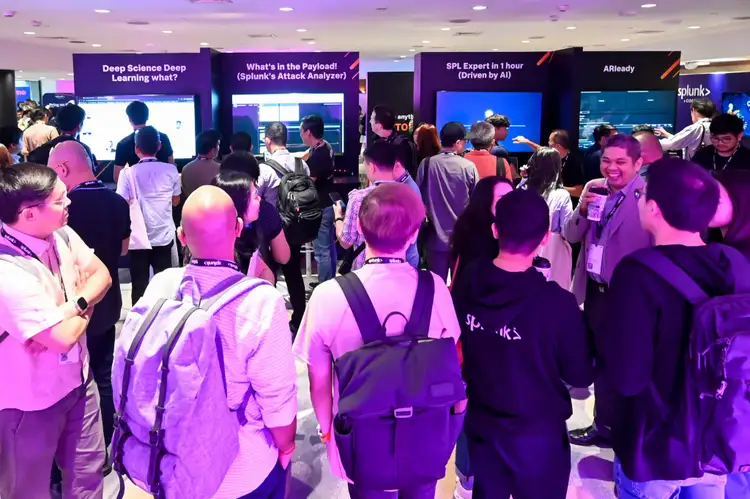
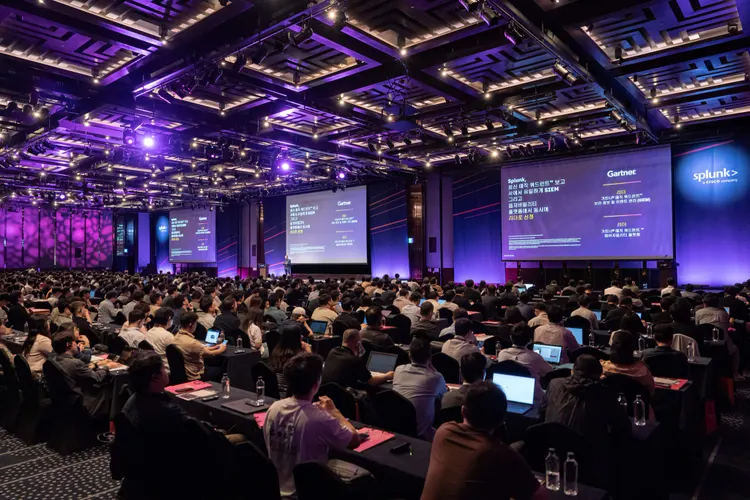
Observability Raen LimSplunk's .conf Go tour has been an incredible journey through Asia in 2024, with stops in Singapore, Hong Kong, and Seoul. The turnout was amazing, with over 1,600 attendees joining us across these key cities. I’m thrilled to have connected face-to-face with our customers and partners.

Undoubtedly, AI has transformed the way we work. Yet, while it holds immense potential, true success hinges on adopting it thoughtfully and effectively in order to reap its benefits. At the same time, downtime remains a critical concern for businesses — as demonstrated by a global IT outage that affected over 49 million people and racked up more than US$1 billion in financial losses. In fact, our Hidden Costs of Downtime report further highlights this issue, estimating that Global 2000 companies lose an eye-watering US$400 billion annually to unexpected digital disruptions — that’s roughly US$200 million per company, or 9% of profits.
To mitigate these risks, building robust digital resilience — supported by strong observability — is essential. It’s what enables organisations to not only withstand disruptions but to thrive in our digital-first world.
Observability as a Driver of Resilience
Our 2024 State of Observability report shows that Asia is making great strides in this space. For example, India is twice as likely to have observability leaders, likely driven by their great focus on innovation. They are also ahead when it comes to adopting new technologies: 31% are already either using or piloting generative AI within their observability toolsets. Additionally, the majority are using OpenTelemetry in their primary observability solutions. These prioritisation have enabled organisations in India to maximise uptime and ensure the quality of their applications.
Singapore is also making headway, with 18% of respondents recognised as observability leaders. This strong foundation has clearly fostered innovation, with organisations launching an average of 13.5 new digital products and services last year — more than any other country surveyed. However, challenges persist: 31% of Singapore respondents report a “highly problematic” number of false positives — compared to just 13% globally. This low fidelity has led to team burnout, with 82% of organisations reporting critical team members leaving as a result.
To tackle these challenges, organisations need to help lighten the load on their teams by streamlining observability tools and adopting AI and machine learning for automation. By cutting through the noise, they can help their teams focus on what really matters and get the most out of their observability efforts.
Leverage AI to Stay Ahead of the Race
This momentum is only accelerating, especially as governments across Asia roll out new policies and initiatives to drive AI adoption. South Korea’s Digital Platform Government initiative, for instance, aims to modernise its public services through AI and cloud integration, while Singapore’s National AI Strategy 2.0 underlines the country’s aspiration to be at the forefront of global AI leadership. Such initiatives highlight the critical need for organisations in Asia to align strategies with these government priorities and navigate the evolving regulatory landscape, in order for their business to remain resilient.
It’s no surprise then, that this urgency to unlock AI’s potential has become a recurring theme in my conversations with customer and partner executives at .conf Go. With 93% of organisations already adopting Gen AI, leaders across industries are increasingly exploring ways to implement AI to extract value—from boosting productivity and operations to enhancing agility and driving business intelligence—in order to stay competitive and adaptive.
Make Observability Work for You

Hearing from leaders underscored a crucial point: effective observability isn’t about deploying a multitude of tools. In fact, too many tools can lead to an overload of alerts, making it challenging for teams to separate truly critical issues from less urgent notifications. This constant noise not only increases team fatigue but also raises the risk of missing key incidents — which can lead to costly downtime, impacting both customer loyalty and public perception.
We learned that building a leading observability practice goes beyond the technology stack; it’s about fostering a culture of accountability, responsiveness, and customer-centricity.
These leading organisations understand that observability isn’t just about avoiding problems — it’s about creating exceptional digital experiences for their customers, which helps create a unified workflow, ensuring end-to-end visibility across, enhancing efficiency, and reducing the risk of burnout by false alerts. In short, top observability practices are intentionally cultivated.
Splunk Observability, Supercharged by AppDynamics
Splunk’s recent recognition as a Leader in the 2024 Gartner Magic Quadrant for Observability Platform underscores our commitment to helping organisations thrive in a rapidly evolving landscape.
Our customers and partners clearly recognise the value of Splunk and Cisco coming together. Our pace of innovation and integration has been nothing short of remarkable — and with the recent addition of Splunk AppDynamics to our observability portfolio, we continue to help our customers across Asia modernise their tech stacks towards achieving complete visibility across their digital footprint, and unlock greater value through AI adoption.
This recognition strengthens our commitment to staying close to our partners and customers across Asia — from global enterprises to government agencies — and working together to build resilience, share insights, and drive success in an increasingly dynamic world.
Related Articles

Post-Race Analysis: How Splunk and McLaren Drove Data at Cisco Live
Monitor Microsoft Azure Functions in Real-Time