Kushagra Sharma's Blog Posts
Kushagra Sharma is a Product Manager at Cisco working on AIOps products that help teams operate complex systems with intelligence and scale. He focuses on translating customer problems into practical, data-driven solutions at the intersection of AI, reliability, and software platforms. Passionate about clear thinking and strong product craft, Kushagra writes to share insights on technology, product strategy, and building systems that actually work in the real world.
Display Mode
Paginated
Filter
Author
Author URL
Limit
6
Powering IT / OT Cybersecurity for Manufacturing in the AI Era
We’re thrilled to share that Splunk has been named a Leader in the IDC MarketScape: Worldwide SIEM 2026 Vendor Assessment.

Splunk Named a Leader in the 2026 IDC MarketScape for Worldwide SIEM
We’re thrilled to share that Splunk has been named a Leader in the IDC MarketScape: Worldwide SIEM 2026 Vendor Assessment.

The AI Paradox and the Hidden Costs of Downtime
Are your AI agents causing outages? Learn how to implement clear guardrails and observability to ensure AI acts reliably within your production environment.

Gen-AI Anomaly Detection Powered by the Cisco Deep Time Series Model
Splunk now delivers Gen-AI driven time series anomaly detection powered by the Cisco Deep Time Series Model, a zero-shot, generative AI foundation model built specifically for machine data.
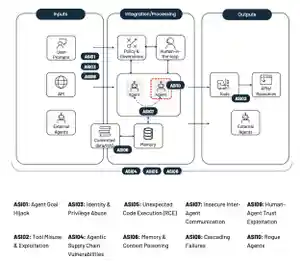
Observability Challenges in Multi Agentic Environments
Agentic AI workflows require new forms of observability that track decisions, tool usage, and interactions across multiple agents.

Redesigning Security Governance for True Geopolitical Resilience
Move beyond compliance. Learn how to redesign security architecture and governance for a world of continuous geopolitical cyber competition.