Greater Self-Service Private Apps on Cloud with New AppInspect Tags

A Quick Background of AppInspect
AppInspect checks are used when an app is destined for Splunk Cloud. AppInspect runs a series of automated and sometimes manual checks for security and compatibility validations. Recently, we introduced Automated Private App Validation for private apps through the AppInspect tag private-app. This bypassed any manual checks for private apps and returned these app results in minutes. Today, we are releasing new architecture-based automated checks that expands self-serviceability of apps in cloud.
A Deeper Dive Into AppInspect Tag Changes
We’ll start out by mentioning that all of these changes are backward compatible in the sense that you don’t have to change a thing to get benefits from these improvements. The new architecture-based tags private_victoria and private_classic tags are groups of specific checks from the original private-app tag in AppInspect. Of course, all of these tags include all relevant AppInspect checks to make sure that apps are secure and are compliant with our Splunk Cloud policy. The different tags apply the applicable self-service installation checks associated with the architecture of your specific Splunk Cloud stack. Developers of private apps now can gain additional flexibility if they design an app for a specific architecture.
If an admin is using the UI to upload or install private apps on cloud, the new tags will automatically be applied. The AppInspect reports will reflect the new tags based on which architecture and version of cloud in use.
If an admin or developer uses Admin Config Service (ACS), they should use the new AppInspect tags to retrieve the correct report and when submitting the app to ACS. If this change does not occur, the results directly from AppInspect may differ from the AppInspect results that are retrieved from the Uploaded App page.
Splunk will automatically run the correct new tag based on the architecture. This is independent of what tag is used when submitting the app via ACS. It allows the platform to be backward compatible while delivering the greatest benefit to customers.
The private-app tag combines the most restrictive parts of private-victoria and private-classic tags. If an app can pass these checks, it will pass the new checks. Splunkbase apps will continue to use the same approval process. Those apps must pass AppInspect with the with the private_app test as well as manual checks at this time.
These new changes are specific to Splunk Cloud and have no impact to customer managed Splunk Enterprise deployments.
For more information, check out Splunk Docs, AppInspect Docs or the Admin Config Service.
This blog post was co-authored by Spencer Baker.
Related Articles

Announcing the General Availability of Splunk POD: Unlock the Power of Your Data with Ease
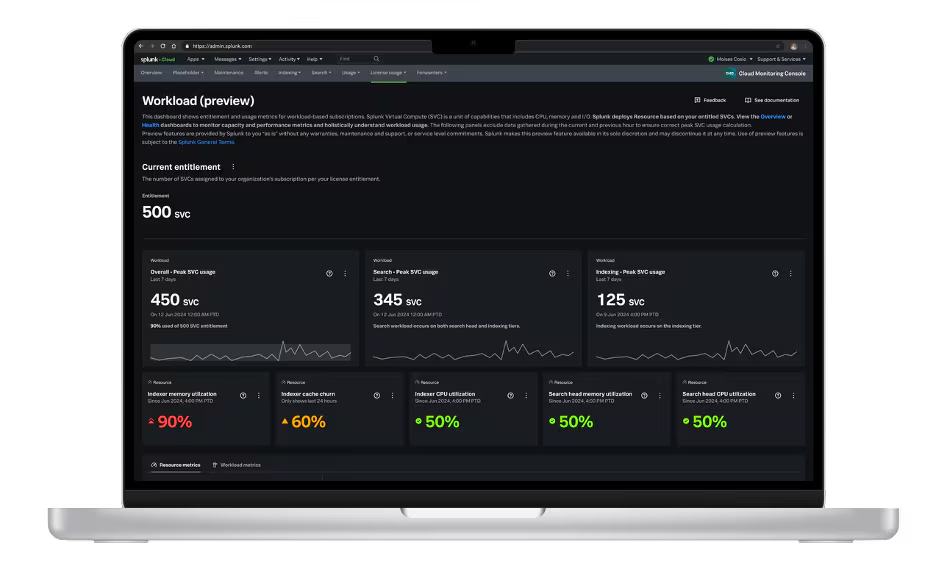
Introducing the New Workload Dashboard: Enhanced Visibility, Faster Troubleshooting, and Deeper Insights
Leading the Agentic AI Era: The Splunk Platform at Cisco Live APJ

Dashboard Studio: Token Eval and Conditional Panel Visibility
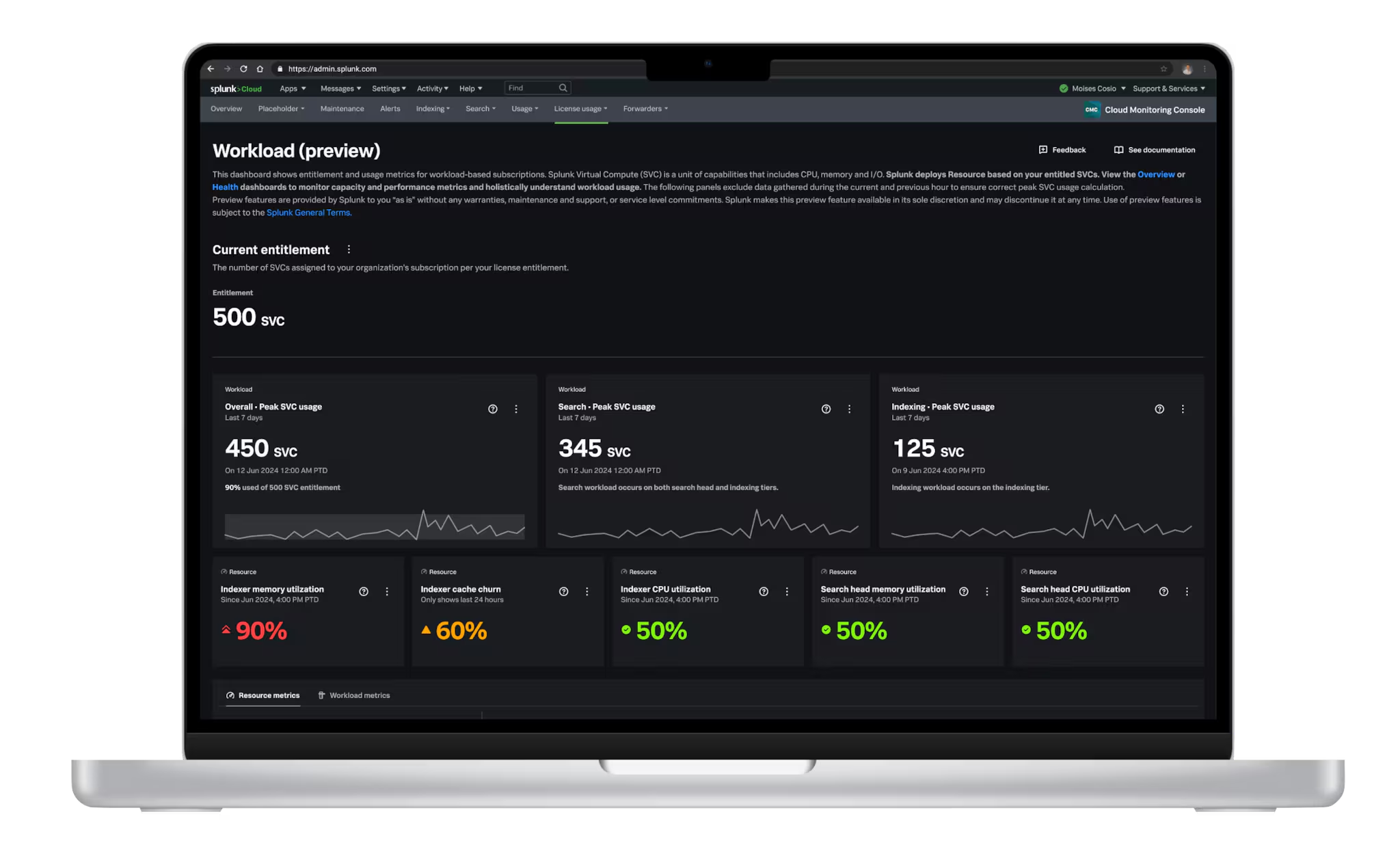
Introducing Resource Metrics: Elevate Your Insights with the New Workload Dashboard

Powering AI Innovation with Splunk: Meet the Cisco Data Fabric

Remote Upgrader for Windows Is Here: Simplifying Fleet-Wide Forwarder Upgrades
Dashboard Studio: Spec-TAB-ular Updates