Vulnerability Scanning: The Complete Guide
Learn Laiba SiddiquiKey Takeaways
- Vulnerability scanning detects security weaknesses: It’s an automated process that identifies and prioritizes risks in systems, networks, and applications using vulnerability databases and scoring systems like CVSS.
- Regular scans strengthen security: Frequent vulnerability scans help organizations comply with regulations, improve defenses, and stay ahead of evolving threats.
- Effective scanning combines tools and workflows: Using both external and internal scans, analyzing results, and integrating findings into incident response ensures prioritized and actionable risk remediation.
Vulnerability scanning is the process of identifying security weaknesses and flaws in systems and software running on them. It's part of a vulnerability management program that protects organizations from data breaches.
IT departments or third-party security service providers scan for vulnerabilities using vulnerability scanning tools. Doing so helps predict how effective countermeasures are in case of a threat or attack.
In this article we’ll define vulnerability scanning, the six step process for how it works, why it’s important in your cyber strategy, common vulnerabilities detected, best practices and top tools.
Let’s dive in!
Why is vulnerability scanning important?
NIST defines vulnerability scanning as:
"A technique to identify hosts/host attributes and associated vulnerabilities."
Vulnerability scanning software can show a company where its vulnerabilities are, offer support to fix them and help you prioritize remediation efforts.
Regular vulnerability scanning shows that the organization takes security seriously, enhancing your organization's credibility with customers, partners, and stakeholders.ulnerability scanning is also a great tool for achieving cybersecurity compliance required by regulations like NIST, PCI DSS, and HIPAA.
Security scanning vs. vulnerability scanning
Vulnerability scanning is a specific type that focuses on identifying security flaws and vulnerabilities in systems and software. But security scanning is a broader term encompassing vulnerability and other types of scans, such as:
- Port scanning
- Network mapping
- Web application scanning
Vulnerability and security scanning are components of a comprehensive security strategy and can help organizations identify and address potential security risks before attackers can exploit them.
How vulnerability scanning works
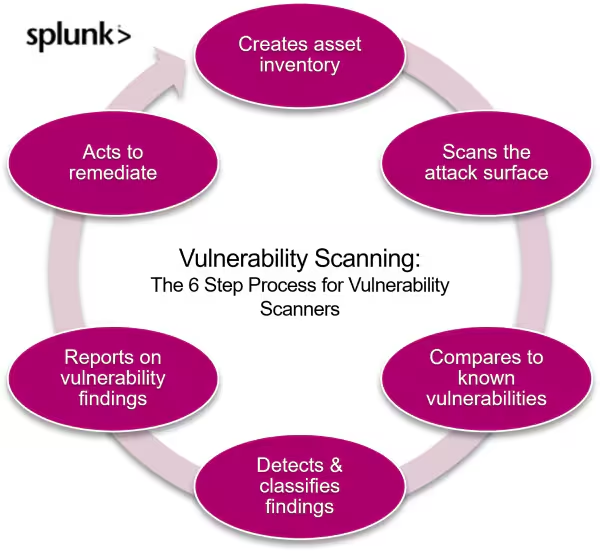
Vulnerability scanning is an ongoing process, and regular scanning helps organizations stay ahead of emerging threats and new vulnerabilities. Here is a step-by-step explanation of how it works:
- Creates an asset inventory: The vulnerability scanner identifies and creates an inventory of all systems connected to a network. It identifies each device's operating system, software, open ports, and user accounts.
- Scans the attack surface: Next, the scanner scans the networks, hardware, software, and systems to identify potential risk exposures and attack vectors.
- Compares with vulnerability databases: The vulnerability scanner checks for known flaws, like CVEs, and potential paths to sensitive data on the target attack surface.
- Detects and classifies: The scanner detects and classifies system weaknesses, identifying vulnerabilities attackers could exploit.
- Reports: The scanner then creates reports on vulnerabilities and how to fix them to help organizations prioritize their efforts.
- Acts to remediate: Based on the vulnerability scan reports, organizations can take action to address the identified vulnerabilities. This can involve applying patches, updating software, reconfiguring systems, or implementing other security measures.
Types of vulnerability scans
There are two main types of vulnerability scans: authenticated and unauthenticated. Here's a more detailed explanation of both scans:
Authenticated scans
Authenticated scans require valid account credentials or access rights to the target system. They provide a deeper insight into the system, as they can identify vulnerabilities that may be hidden or inaccessible to unauthenticated scans.
They can detect misconfiguration, missing patches, and vulnerabilities that may not be visible externally.
Unauthenticated scans
Unauthenticated scans are performed externally and do not require specific credentials or access rights. They focus on identifying vulnerabilities visible from the outside, such as:
- Open ports
- Outdated software versions
- Common misconfigurations
But, they may be unable to identify vulnerabilities requiring privileged access or detailed system information.
Common vulnerabilities detected by scanning
Vulnerabilities vary depending on the scanning tool used and the configuration of the scanning process. And by doing so, you can detect:
- Misconfigured systems that may have default or weak settings, which attackers can exploit.
- Outdated software with known vulnerabilities should be updated with the latest patches and security fixes.
- Weak passwords that attackers use to gain unauthorized access to systems or accounts.
- Missing patches that are vulnerable to known exploits.
- Open ports and services that may be potential entry points for attackers.
- Insecure configurations in systems that may expose sensitive data or allow unauthorized access.
- Default credentials enabled devices that help attackers to carry out exploitations.
- Systems that use insecure network protocols like outdated versions of SSL/TLS.
Best practices for vulnerability scanning
Here are some best practices for vulnerability scanning:
- Establish a framework that covers the six steps of the process, documents it, and uses it to execute the vulnerability scanning process.
- Consistent scanning helps identify and address potential security flaws before they can be exploited.
- Scan every device that connects your ecosystem, including systems behind firewalls within secure internal networks.
- Assign owners to critical assets to help ensure vulnerabilities are identified and addressed promptly.
- Prioritize the patching process based on the severity of the vulnerabilities identified.
- Document all results to ensure that vulnerabilities are tracked and addressed in a timely manner.
- Use multiple tools, such as at least two scanners with different approaches, to get cross-vendor results and better coverage.
- Use instrumentation tools to provide the most accurate and actionable results and lessen the triage burden on security teams.
- Identify your different attack vectors to find a suitable scanner for your business.
Top vulnerability scanning tools in cybersecurity
Vulnerability scanning tools help improve your organization's security posture by providing automated scanning capabilities, detailed reporting, and integration with other security tools. They save time and effort for security teams.
Selecting the right tool depends on the specific requirements, budget, and complexity of the organization's infrastructure. So here are a few top vulnerability scanning tools in cybersecurity to help you out:
- Nessus is a versatile vulnerability scanner with an extensive database and frequent updates.
- OpenVAS is a flexible and cost-effective open-source vulnerability scanner that offers tests for common security issues.
- Nexpose is a vulnerability management solution that identifies critical vulnerabilities and prioritizes remediation efforts.
- Burp Suite is a web application security testing tool that identifies common vulnerabilities and offers interactive scanning and features like proxying and session analysis.
Related Articles

Business Process Automation, Explained

Business Process Reengineering Explained
