What’s Next for Department of Defense Digital Modernization?

The Digital Modernization Strategy was released in July 2019 in order to, as then-Performing the Duties of the Deputy Secretary of Defense David Norquist stated “[be the] cornerstone for advancing our digital environment to afford the Joint Force a competitive advantage in the modern battlespace.” Digital Modernization aims to implement the National Defense Strategy’s focus areas of strengthening partnerships, lethality, and reform through four key goals. These goals include: innovate for competitive advantage, optimize for efficiencies and improved capability, evolve cybersecurity for an agile and resilient defense posture, and finally to cultivate talent for a ready digital workforce. In short, this Strategy outlines a blueprint for modernizing the Department’s efforts in cloud, artificial intelligence, command control and communications, and cybersecurity.
The Department has released substrategies (or strategy supplements) in each of these areas and plans are underway to release a companion strategy specifically on IT reform. In addition, this past October the Department released its Data Strategy under the umbrella of the larger Digital Modernization Strategy. With its goals of making data visible, accessible, understandable, linked, trustworthy, interoperable, and secure, data is the glue that binds together each of the other elements of Digital Modernization. There are also clear linkages between Digital Modernization – specifically the Data Strategy – and another huge effort underway at the Department: Joint All Doman Command and Control (JADC2).
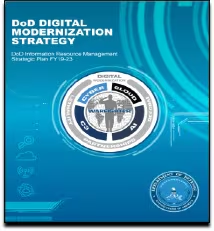
It’s also important to consider that the Department’s Chief Information Officer is required to certify to the Secretary of Defense that each year’s cybersecurity budget request aligns with its modernization goals. We should have a better idea on the next steps for the Digital Modernization Strategy with the Biden Administration’s first budget request submission to Congress early next year. The Department should consider continuing to build upon the successes achieved under the current Administration.
Related Articles

How Splunk is Helping Shape the Future of Higher Education IT by Tackling EDUCAUSE 2026 Top Issues

Enhancing Government Resilience: How AI and Automation Empower Public Sector Missions

Solving Manual Mayhem in Telecom with Agentic AI

Upgrading to Splunk Enterprise 10.0 and Splunk Cloud Platform 10.0: Key Resources for Public Sector Customers

Building the Next Generation of Defenders: From the Classroom to the SOC of the Future

Analytics That Work: 3 Approaches for the Future of Contact Centers

Observability + Security: Real-Time Digital Resilience for SLED

Digital Resilience for State and Local Governments (Part Two)