Biased Language Has No Place in Tech: A Follow-Up
Leadership SplunkOctober is Global Diversity Awareness month, a great opportunity to reinforce Splunk’s commitment to ensuring inclusivity – even in our products. Two years ago, members of our community alerted us to biased language in Splunk's code through a post on Splunk Ideas. We committed to correcting that issue. We said we would remove four specific, harmful terms from our products and documentation and that we would launch an ongoing program to prevent biased language from appearing in our offerings. We also committed to keeping our community updated on our efforts. I’d like to let you know what we've done so far and reaffirm our commitment to removing bias wherever we find it.
Learn more about using inclusive language in Tech and IT

Why did it take us two years? Although work started quickly and we began to deliver updated terminology in our products within a few weeks, completing this project took longer because some of the changes went deep into our licensing system. Fixing and testing that code and then delivering those changes in both Splunk Cloud Platform and Splunk Enterprise releases involved a lot of dependencies.
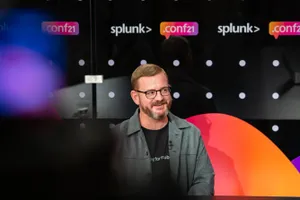
We’ve also worked to raise our internal awareness of biased language, as well as share what we’ve learned and what we did. Splunkers Joanne Irvine, Sarah Otis and Christopher Gales presented at .conf21 about the initiative. Here’s a link to a recording of the session. They were also invited to present to the Planned Parenthood Foundation of America in 2020 and 2021.
Our technical editors on the Splunk documentation team added the topic of inclusivity to our publicly-available Style Guide, a reference used by our product docs team and other doc teams around the industry. Splunker Alyssa Yell, the lead for the development of this specific guidance, has also been participating in the Inclusive Naming Initiative, a consortium of technology companies working to establish standards and guidance to eliminate harmful language in IT.
Additionally, Sarah Otis and her colleague Liyang Wang developed a biased language linter, a tool to improve coding, for our engineering teams to include in their build pipelines. This tooling accelerated the removal of biased terminology and helped prevent its reintroduction into the codebase. Splunk has since open-sourced the linter on Github for public use and contribution. We’ve also developed a Precise Language Workshop, designed to help Splunkers apply precise language to create a more inclusive and equitable workplace. More than 2,000 employees have taken the course so far.
We're not looking for praise for what we've done. We can always do more. It's our responsibility to make sure we're doing everything we have in our power to change what we can. Bias is all around us in the tech community — in language, in hiring, in management decision making. We need to acknowledge it and continually restate our commitment to stamping it out when we find it.
We will continue our efforts holding ourselves to the highest standards of fairness, equality and equity. Please, let us know how we can do a better job of representing and supporting the entire Splunk community.
----------------------------------------------------
Thanks!
Garth Fort
Related Articles

.conf25: Reinventing Digital Resilience for the Agentic Era
Splunk Customers Turn Data Into Doing at .conf21