Powering the Future: How Splunk is Integral to NJIT's Innovative Student-Powered Cybersecurity SOC
In an increasingly digitized world, higher education institutions face a growing barrage of cyber threats. With an average of 2,507 cyber attempts in Q1 2023 alone, and successful breaches costing millions, universities like the New Jersey Institute of Technology (NJIT) recognize the critical need for robust cybersecurity defenses and, crucially, a pipeline of skilled professionals.
NJIT has taken a groundbreaking step to address this challenge by launching an innovative, student-powered Security Operations Center (SOC). This isn't just a classroom; it's an immersive, practical training environment designed to equip aspiring cybersecurity professionals with real-world experience. And at the heart of this cutting-edge initiative, alongside TekStream and AWS, is the powerful platform of Splunk.
Splunk: The Engine Behind Real-World Cybersecurity Training
The new SOC, celebrated with a ribbon-cutting ceremony on August 20, 2025, is a testament to what collaborative innovation can achieve. Built on TekStream’s comprehensive "Whole-of-State cybersecurity approach," the SOC leverages student capabilities to handle cybersecurity incidents during regular business hours, providing invaluable hands-on experience.
A key enabler of this operational capability is Splunk. TekStream's unique cybersecurity model, which combines workforce development with a cost-deferment strategy, is explicitly "Built on TekStream’s Splunk-powered MDR services." This means that NJIT students are not just learning theoretical concepts; they are actively working with industry-leading security information and event management (SIEM) and security orchestration, automation, and response (SOAR) tools powered by Splunk. This direct exposure to a widely adopted platform ensures that graduates are not only familiar with the tools but proficient in using them to manage and respond to complex cybersecurity incidents.
Student Perspectives: An Edge in the Job Market
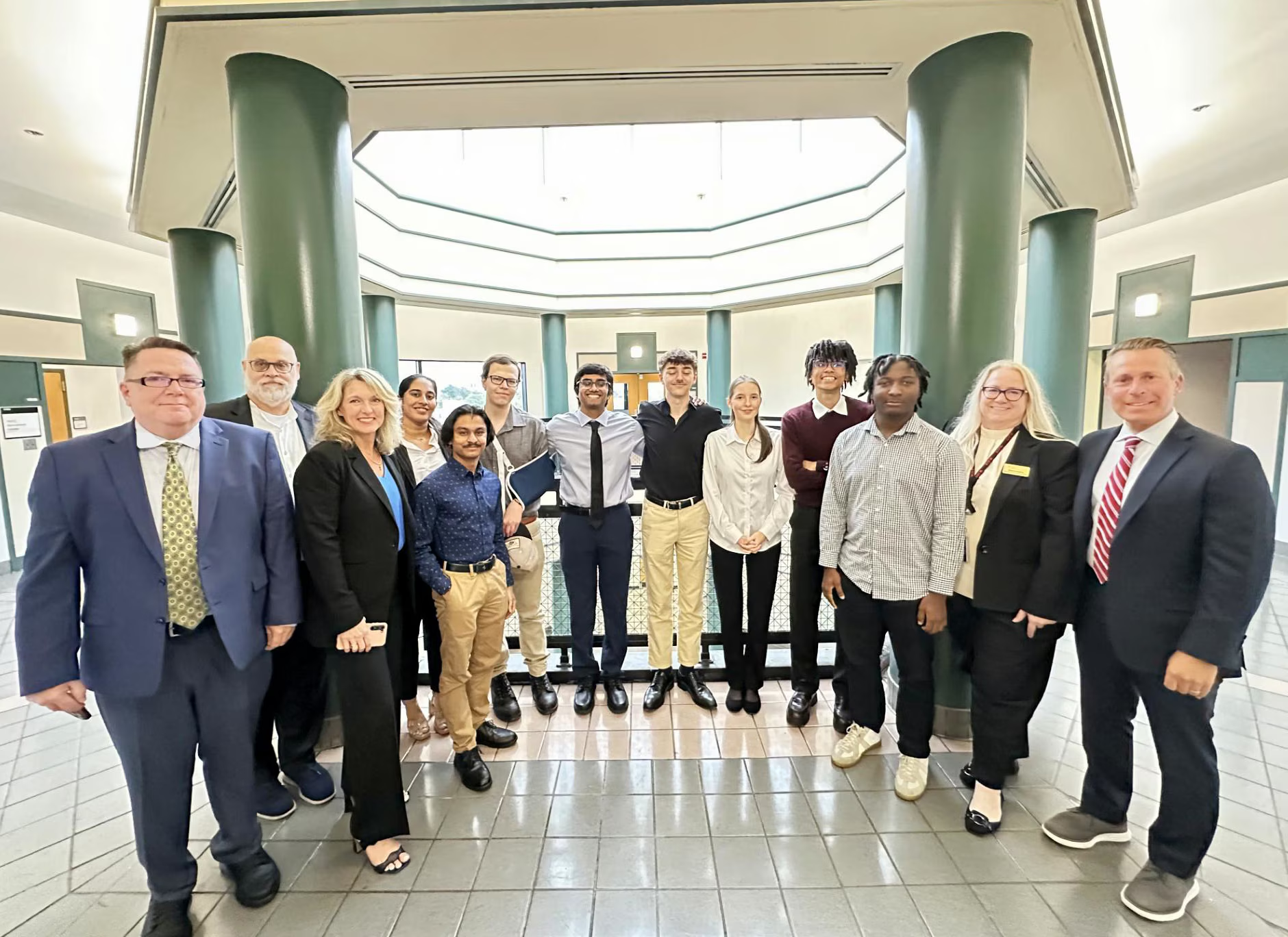
The impact of this partnership on students is profound. As student Adhavan Swaminathan eloquently put it, "The partnership with top-rated companies like Splunk and TekStream also gives an edge in the job market, and it teaches us students the necessary skills to start off in cybersecurity."
This "edge" is precisely what makes the NJIT SOC a blueprint for the future. By integrating Splunk's powerful analytics and security capabilities into their daily operations, students gain practical skills that are highly sought after by employers. They learn to monitor, detect, analyze, and respond to threats using the same sophisticated tools found in leading enterprise SOCs worldwide. This hands-on experience translates directly into enhanced professional credentials, preparing them for Level 2 cybersecurity incident management from day one.
A Blueprint for the Future of Cybersecurity Workforce Development
The collaboration between NJIT, TekStream, and Splunk exemplifies how private companies and educational institutions can forge powerful alliances to address critical workforce needs. By providing a sustainable, cost-effective, and scalable strategy, this partnership creates mutual benefits: NJIT gains a robust cybersecurity program, and its students are empowered with the skills and experience needed to thrive in the competitive cybersecurity landscape, backed by the power of Splunk.
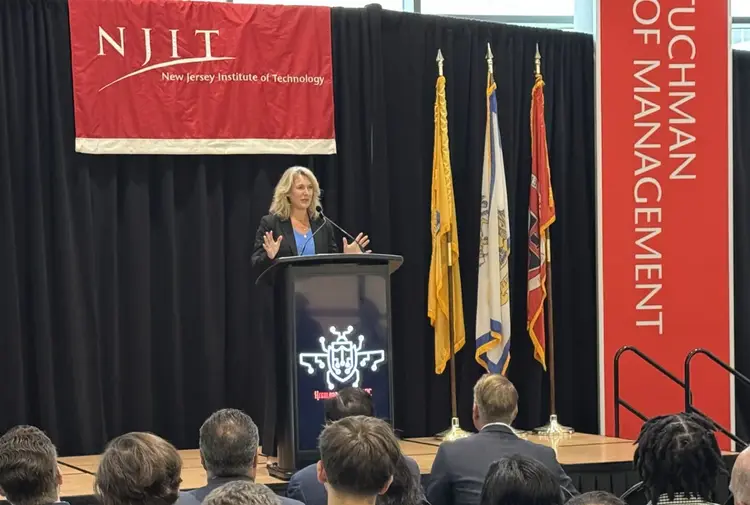
This innovative model, where students are trained on and operate with industry-standard technologies like Splunk, is not just a success story for NJIT; it's a shining example for higher education institutions globally looking to build the next generation of cybersecurity defenders.
Related Articles

How Splunk is Helping Shape the Future of Higher Education IT by Tackling EDUCAUSE 2026 Top Issues

Enhancing Government Resilience: How AI and Automation Empower Public Sector Missions

Solving Manual Mayhem in Telecom with Agentic AI

Upgrading to Splunk Enterprise 10.0 and Splunk Cloud Platform 10.0: Key Resources for Public Sector Customers
Building the Next Generation of Defenders: From the Classroom to the SOC of the Future

Analytics That Work: 3 Approaches for the Future of Contact Centers

Observability + Security: Real-Time Digital Resilience for SLED

Digital Resilience for State and Local Governments (Part Two)