Building Resilience with Energy Management for Industries
Authors: A Village!
Ewald Munz (Manufacturing, Automotive, Sustainability), Charles Adriaenssens (Financial Services), Gaurav Gupta (Retail, Telecom), Sean Price (Public Sector, Healthcare), Ian Wells (Observability), Linda Gröbel (Business Value), Luke Beare (Business Value), Sophie Dockstader (Sustainability SME | PS Security), Marc Thomas (Senior Sales Engineer), Maria McCann (Senior Marketing Leader), Frank Nebgen (Leader Country Plan Execution, CDA & Sustainability), Tripta Gulati (Director Product & Strategy, Engineering Sustainability Office), Varun Kapur (Senior Program Manager Sustainability)
It was a shock to the German industrial sector when the electricity price skyrocketed to a historic peak of 936 EUR / MWh last December - six times higher compared to the average industrial electricity price in Germany in the preceding months of 2024 according to Statista. As a result, production costs became prohibitively expensive, in particular for energy intensive companies like the electrical steel plant Feralpi which shut down production for two days to protect the company from ballooning costs according to Handelsblatt.
This example and many others show that energy and energy management are top of mind for all types of industries. There are many ways to tackle energy management. This blog highlights a data-driven approach to build resilience by reducing energy costs, increasing energy efficiency and improving the carbon footprint for buildings, data centers and factories across industries.
Energy Management is Key to Building Resilience
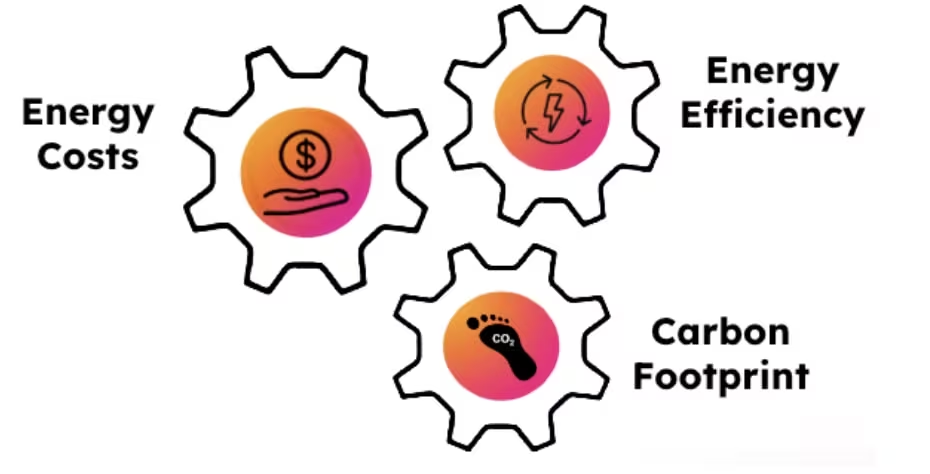
The following three interlinked energy management metrics address key priorities of organizations: Managing energy costs is a top priority which can be achieved through efficient energy consumption which goes hand in hand with an improved carbon footprint which is an EU regulatory requirement at the same time as highlighted in the chapter below.
New Compliance Drivers for Energy Management
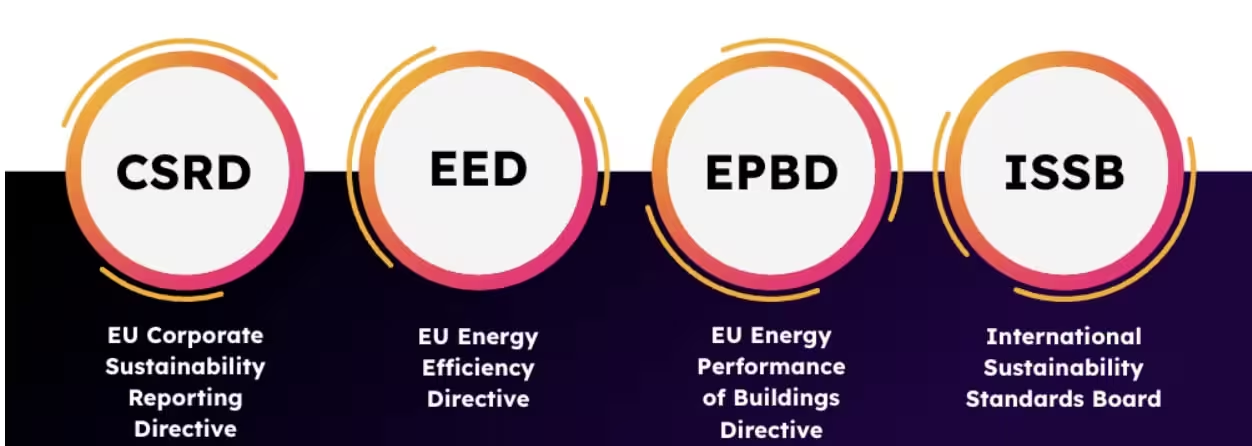
A key focus area for regulators is environmental sustainability reporting and transparency. To cite some examples:
CSRD - Corporate Sustainability Reporting Directive
In the European Union (EU), the Corporate Sustainability Reporting Directive (CSRD) is intended to modernize and strengthen existing rules concerning the social and environmental information that companies have to report. A broader set of companies will now be required to report on sustainability, and companies subject to the CSRD will have to report according to European Sustainability Reporting Standards (ESRS). For example, under CSRD, companies will have to report on energy usage, if deemed material.
EED - Energy Efficiency Directive
In the EU, the Energy Efficiency Directive is a key driver of Europe’s energy transition with a focus on industrial organizations and data centers. Energy management systems are a mandatory requirement for large industrial energy consumers to monitor and optimize their energy efficiency. A European database will publish reported data, which is relevant for the energy performance and water footprint of data centers with a significant energy consumption.
EPBD - Energy Performance of Buildings Directive
Because buildings are the single largest energy consumer in Europe - 40% of all energy consumption in 2023 - regulations, such as the revised EU Energy Performance of Buildings Directive (EPBD), continue to enhance the energy performance requirements for new buildings. For example, the EPBD sets minimum energy performance requirements for new buildings and for existing buildings undergoing major renovations.
ISSB - International Sustainability Standards Board
On a global level, multiple jurisdictions are actively pursuing or considering adoption roadmaps and pathways toward mandatory application of International Sustainability Standards Board (ISSB) IFRS® Sustainability Disclosure Standards (SDS). Taking these new compliance drivers for energy management into account, the well-established management wisdom applies:

GHG: Greenhouse Gas
As such, organizations need observability to “measure” first before they can “manage”.
Unlocking a New Observability Use Case
Improving digital resilience by building a leading observability practice is a must for organizations across industries. Splunk is proud to be named a Leader in the 2024 Gartner® Magic Quadrant™ for Observability Platforms. Gartner defines observability platforms as products that ingest telemetry (operational data) from a variety of sources including, but not limited to, logs, metrics, events and traces. Observability platforms are used by organizations to understand and improve the availability, performance, and resilience of critical applications and services.
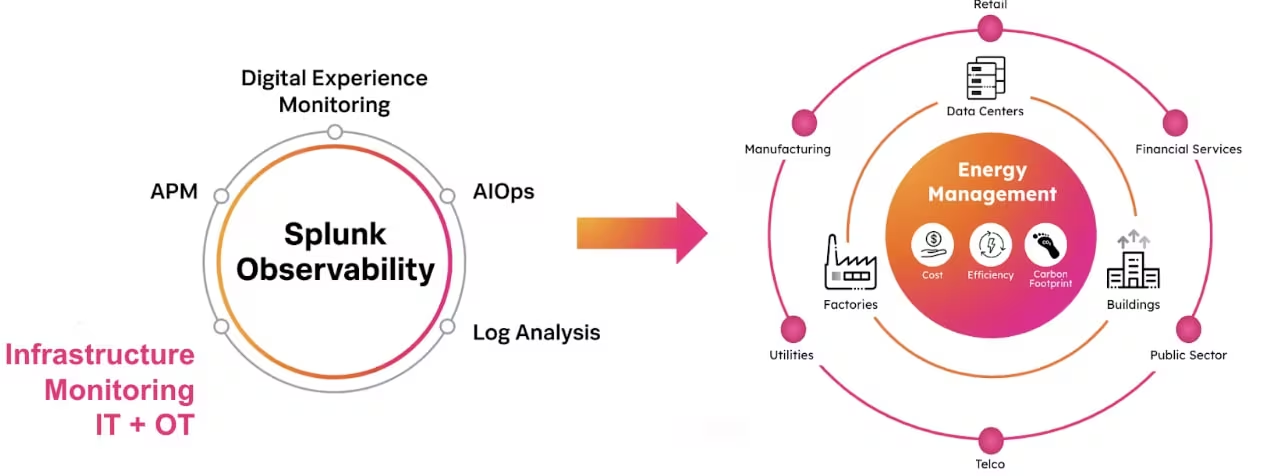
This approach unlocks a new use case in Splunk’s observability portfolio: Infrastructure monitoring across IT (Information Technology) and OT (Operational Technology) environments for unified visibility, accelerated troubleshooting and cost control. Applied to energy management, this translates into monitoring of data centers, buildings and factories across industries such as manufacturing, energy & utilities, retail, financial services, public sector, telecom and more.
Specific Priorities per Industry
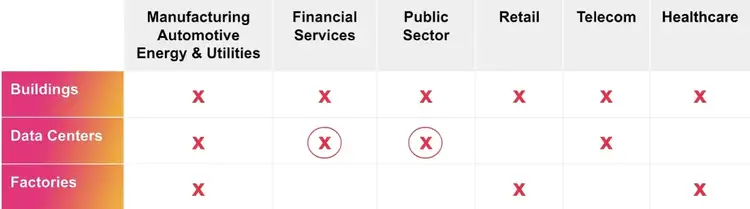
Every industry has specific priorities when it comes to energy management. Manufacturing / Automotive / Energy & Utilities organizations are the main beneficiaries of energy management since all three areas - buildings, data centers and factories, are taken into account. On the other hand, Financial Services organizations and the Public Sector have a dedicated focus on data centers since they typically operate in-house, on-premise data centers instead of migrating to the cloud.
These in-house data centers can contribute significantly to the overall carbon footprint of these organizations. For Retail organizations, energy management is crucial not only due to the large number of physical locations, like stores and outlets, but also because maintaining an efficient and cost-effective cold chain is essential when dealing with frozen groceries.
A Unified Sustainability Solution for Buildings, Data Centers and Factories
A unified environmental sustainability solution which focuses on energy management metrics for buildings, data centers and factories is an effective way to leverage visibility and help advance key business outcomes. Since energy management is also a data problem it is essential to understand multiple energy data sources from IT and OT environments for unified visibility. Dashboards contain customizable visualizations, metrics, business and technical Key Performance Indicators (KPIs) and built-in AI/Machine Learning for detecting outliers, forecasting, clustering and recommendations.
This unified sustainability solution leverages the Splunk Sustainability Toolkit and Electricity Maps, which provides power mix and carbon intensity data globally, in real-time, and forecasted.
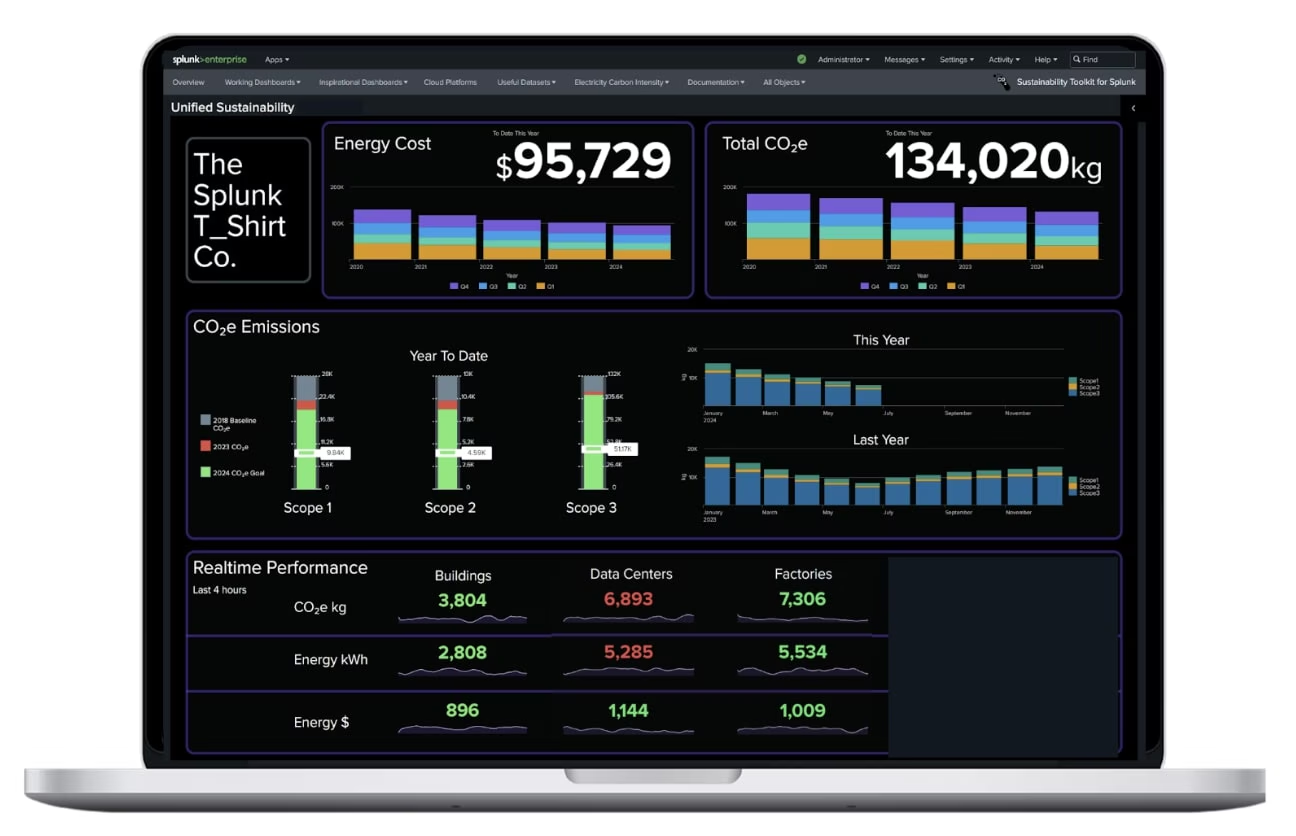
Building Resilience by Leveraging Key Benefits and Value
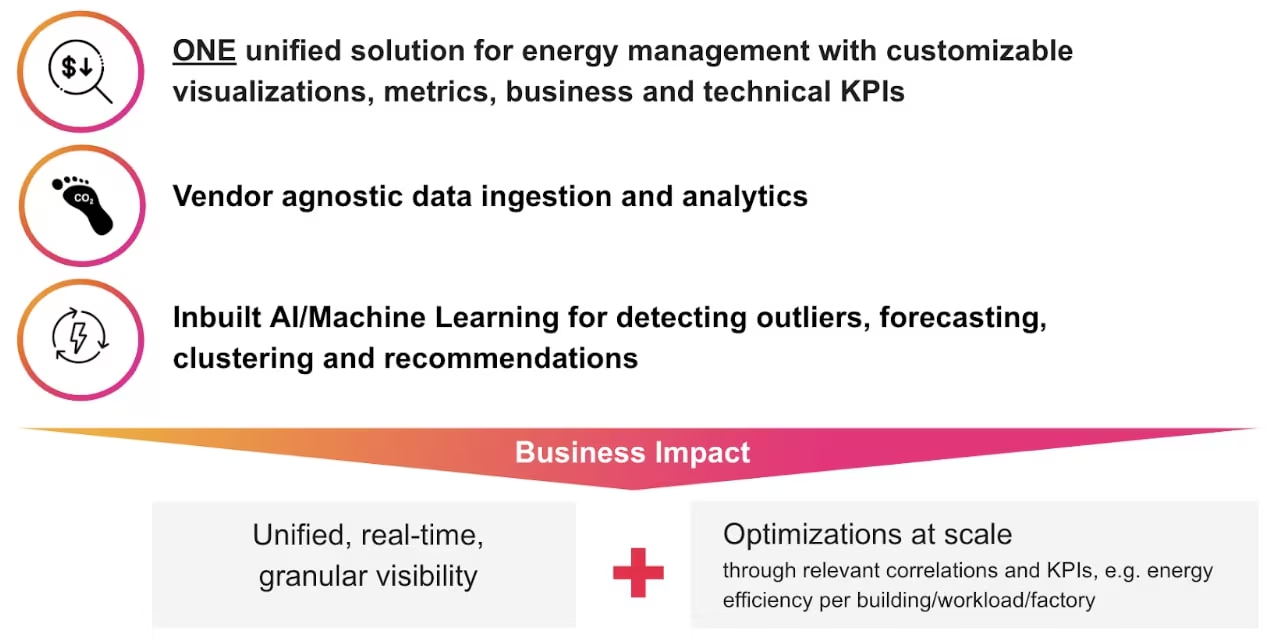
Besides visibility and optimization of energy costs, energy efficiency and carbon footprint, key business outcomes include identifying hardware issues and augmenting security challenges through energy consumption anomalies. In addition, supporting the above-mentioned compliance regulations with a dedicated energy management solution may lead to increased trust of shareholders, investors and consumers - ultimately improving the competitive advantage and a profile of being an attractive employer.
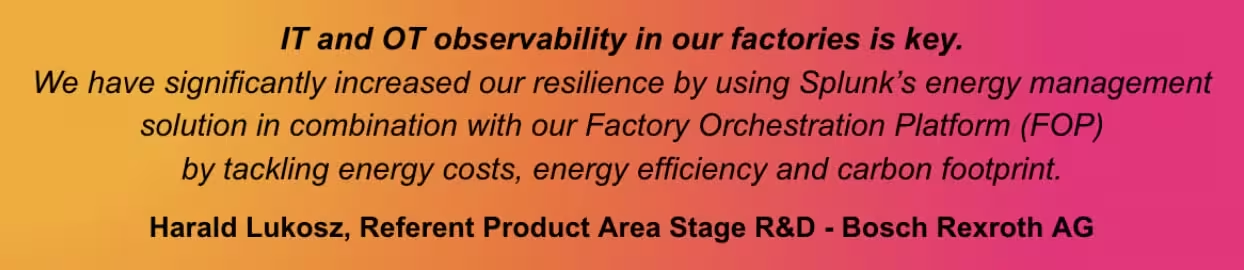
Based on this energy management project, Bosch Rexroth won the Industry Innovator Award as part of Cisco’s Global Customer Awards: EMEA 2025 program.
Would you like to learn more about this real-life Bosch Rexroth case study and many others? Intrigued to see how organizations across industries have implemented an energy management solution? Then come and discuss your specific case with experts and industry leaders!
Meet and Engage with Experts and Industry Leaders at these Live Events Focusing on Energy Management

Amsterdam
February 10-14, 2025
- Transforming Tomorrow: Airbus’ Journey to a Scalable, Sustainable Data Center
Monday, Feb 10 | 1:30 PM - 2:15 PM CET - Session ID: CSSDCN-1387 - Designing and Future-Proofing Energy Systems – from the Data Center to the Campus
Tuesday, Feb 11 | 1:45 PM - 2:15 PM CET - Session ID: CENGRN-1000 - Using Energy Management Dashboards to Accelerate your Net Zero Journey
Tuesday, Feb 11 | 2:30 PM - 3:30 PM CET - Session ID: BRKGRN-2398 - AI in Manufacturing: Building Resilience with Smart, Secure and Sustainable Operations
Tuesday, Feb 11 | 5:30 PM - 6:00 PM CET - Session ID: PSOIND-1779 - How Sustainability Data can Unlock Business and Environmental Benefits
Wednesday, Feb 12 | 10:50 AM - 11:20 AM CET - Session ID: PSOGRN-1893 - Delivering an Agile Intelligent Building of the Future
Wednesday, Feb 12 | 3:15 PM - 4:45 PM CET - Session ID: BRKXAR-20234 - Ways to Cut Your Energy Use with PoE
Wednesday, Feb 12 | 3:30 PM - 4:00 PM CET - Session ID: PSOENT-1862 - AI-Ready Data Center - Sustainability vs. Infrastructure Requirements – How to get your Data Center Ready for the Coming AImagedon
Thursday, Feb 13 | 12:00 PM - 1:00 PM CET - Session ID: BRKGRN-2419 - Building Resilience with Energy Management for Factory Automation at Bosch Rexroth AG
Thursday, Feb 13 | 4:15 PM - 5:00 PM CET - Session ID: CSSGRN-1563 - Sustainability Booth with Live Demos Feb 10 - 14

BITKOM, Data Center Working Group
Duesseldorf, February 12, 2025
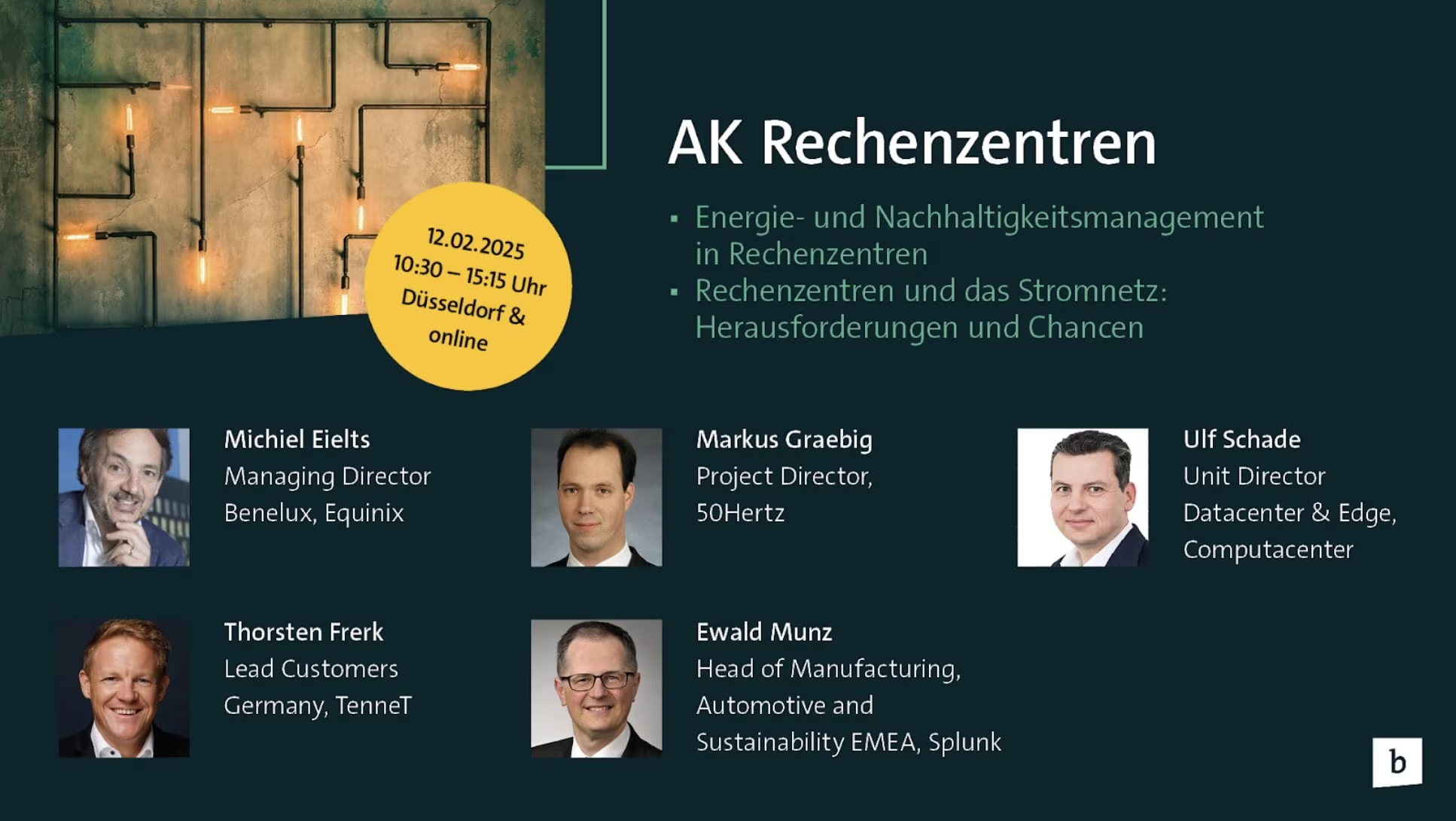
Note: Bitkom membership is required to attend this event
Energy Management for Data Centers | Splunk
Data Center Sustainability Dashboard + Demo | ComputaCenter
Splunk Immersive Experience Center (SIE), London
Book a guided industry-specific tour for Manufacturing, Financial Services, Retail, Public Sector and Healthcare and learn hands-on what the power of data can do for your organization to build resilience with energy management.
Ready to build resilience with energy management in your organization? Then get in touch now!
Read On
- Industry Brief Energy Management
- Global Counsel Report: Enabling digital efficiency: The opportunity for a more competitive and resilient energy transition - featuring the energy management project with our customer Bosch Rexroth
- Cisco Digital Kompass 2025 - featuring our customer Bosch Rexroth and highlighting the NextGen Factory
- AI & Sustainability: Better Together
- Cisco Purpose Reporting Hub - Environmental Sustainability
Related Articles

How Splunk is Helping Shape the Future of Higher Education IT by Tackling EDUCAUSE 2026 Top Issues

Enhancing Government Resilience: How AI and Automation Empower Public Sector Missions

Solving Manual Mayhem in Telecom with Agentic AI

Upgrading to Splunk Enterprise 10.0 and Splunk Cloud Platform 10.0: Key Resources for Public Sector Customers

Building the Next Generation of Defenders: From the Classroom to the SOC of the Future

Analytics That Work: 3 Approaches for the Future of Contact Centers

Observability + Security: Real-Time Digital Resilience for SLED

Digital Resilience for State and Local Governments (Part Two)