Observability Blogs
Latest Articles
template
category
category
observability

Post-Race Analysis: How Splunk and McLaren Drove Data at Cisco Live
Splunk offered Cisco Live attendees a chance to experience the adrenaline rush of racing at the renowned Zandvoort circuit with a thrilling demonstration of our McLaren partnership.

Tiered Observability: How To Prioritize and Mature Observability Investments
Tiered observability ensures that your most critical applications receive the depth of monitoring, alerting, and response they require. Learn more here.

Calling All SREs, DevOps, and Kubernetes Enthusiasts: Join Splunk at KubeCon Europe 2025 in London!
Are you ready to revolutionize your observability game? Mark your calendars for KubeCon + CloudNativeCon Europe 2025, taking place from April 1-4 in Excel Center London. Splunk invites you to visit our booths at N290 & S400 to discover how we're making troubleshooting cool again while helping you shift from reactive to predictive strategies for digital resilience.

Customers Increasingly Choose Splunk for Observability
In this blog post, learn what makes Splunk Observability different from other industry solutions like New Relic.
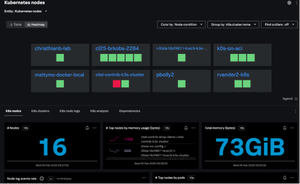
How To Monitor Kubernetes with Splunk Infrastructure Monitoring
Monitoring K8s is a must for all organizations. Learn how to monitor Kubernetes with Splunk Infrastructure Monitoring, in this step by step tutorial.
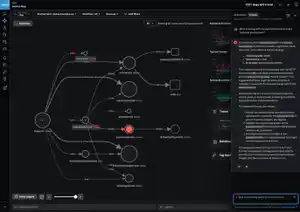
Solve Problems Faster with New, Smarter AI and Integrations in Splunk Observability
With the latest Splunk Observability advancements, customers can stay ahead of the competition and solve problems more efficiently.

Splunk AppDynamics Unveils New Security and Mobile Insights
Announcing the release of a new Secure Application integration with Splunk Enterprise Security and preview MRUM session replay in AppDynamics 25.1.

Rationalize and Realize: Simplifying Tools for a Leading Observability Practice
Discover how observability tools rationalization can streamline your workflows, reduce costs, and enhance business outcomes.

Splunk AppDynamics 24.10 Accelerates Deployment And MTTR
Splunk AppDynamics, now part of the Splunk Observability portfolio, provides critical observability for traditional 3-tier/n-tier applications and helps IT Operations teams quickly discover root causes of issues before end-users even notice.