What Is MITRE D3FEND?
As cybersecurity threats become more sophisticated, organizations have to continually find new solutions to resist bad actors.
Enter MITRE D3FEND, a framework designed to complement the MITRE ATT&CK framework by focusing on defensive cybersecurity techniques.
What is MITRE D3FEND?
MITRE D3FEND is shorthand for "Detection, Denial, and Disruption Framework Empowering Network Defense.” It’s a knowledge base of defensive techniques organized in a structured framework.
The MITRE Corporation released the beta of the D3FEND framework in July 2021. So, what is it? Essentially, D3FEND is a comprehensive catalog of defensive tactics, techniques, and procedures (TTPs) that organizations can use to protect their systems and data.
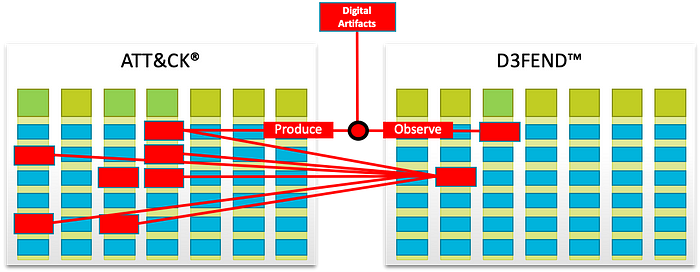
A quick difference between these two MITRE frameworks:
- MITRE ATT&CK maps out techniques used by bad actors.
- MITRE D3FEND offers insights into defensive strategies to counter those techniques.
(Know the differences: offensive & defensive cybersecurity strategies.)
Benefits of MITRE D3FEND
Traditional cybersecurity approaches typically focus on reacting to threats after they've occurred. D3FEND encourages a proactive approach by equipping organizations to defend against known attack techniques before they happen.
Next, D3FEND helps as you enhance your threat detection capabilities and respond more effectively to security incidents by understanding how adversaries operate and the defensive measures available to resist them.
Finally, D3FEND fosters collaboration and information sharing within the cybersecurity community, enabling them to learn from each other's experiences and collectively strengthen their defenses against cyber threats.
Key components of MITRE D3FEND
At the heart of D3FEND is the all-encompassing tactics and techniques inventory.
Tactic categories
Similar to ATT&CK's tactic categories, D3FEND organizes defensive techniques into overarching tactics:
- Model creates representations of entities, behaviors, and environments to understand and analyze them better.
- Harden includes reducing the attack surface, securing configurations, and ensuring systems are protected from cyberattacks.
- Detect involves identifying and discovering potential threats or malicious activities within a network.
- Isolate contains the threat and prevents it from spreading or escalating.
- Deceive involves misleading attackers and redirecting them away from assets.
- Evict removes the threat from the network entirely.
- Restore returns systems and operations to their normal state.
Technique matrix
D3FEND includes a matrix that maps defensive techniques to the tactics they address. This matrix allows cybersecurity professionals to identify which techniques are relevant to their specific vulnerabilities and prioritize defensive strategies accordingly.
There are overarching technique categories, and each category contains Level 0 techniques. Some also contain Level 1 techniques.
There are 22 technique categories in total. Techniques in the matrix include:
-
Network Mapping (Model)
- Level 0 techniques: Physical Link Mapping, Network Vulnerability Assessment, Network Traffic Policy Mapping, Logical Link Mapping
- Active Physical Link Mapping, Passive Logical Link Mapping, Active Logical Link Mapping
- Level 1 techniques: Passive Physical Link Mapping
-
File Analysis (Detect)
- Level 0 techniques: File Hashing, File Content Analysis, Emulated File Analysis, Dynamic Analysis
- Level 1 techniques: File Content Rules
-
Execution Isolation (Isolate)
- Level 0 techniques: Kernel-based Process Isolation, IO Port Restriction, Hardware-based Process Isolation, Executable Denylisting, Executable Allowlisting
- Level 1 techniques: System Call Filtering, Mandatory Access Control
(See how Splunk uses MITRE ATT&CK and D3FEND.)
How to use MITRE D3FEND
Start leveraging MITRE D3FEND on your team with the following steps.
Educate
Train your team on the concepts and techniques outlined in D3FEND to ensure they have the knowledge and skills to implement effective defensive measures.
Integrate
Identify relevant defensive techniques, assess how they can be implemented within your organization's cybersecurity framework, and integrate them into existing security controls, processes, and technologies.
Cross-reference
Cross-reference defensive techniques in D3FEND with known attack techniques in ATT&CK.
Keep your finger on the pulse
Stay up to date with the latest additions and updates to the D3FEND knowledge base. Continuously assess your defensive strategies and adapt them to address emerging threats and vulnerabilities.
Contribute
If you discover new defensive techniques or have insights to share, consider contributing to the D3FEND knowledge base. This helps improve the collective knowledge and effectiveness of defensive strategies in the cybersecurity community.
Security strategies that succeed
With MITRE D3FEND, cybersecurity professionals can effectively communicate, collaborate, and create more successful security strategies.
FAQs about MITRE D3FEND
Related Articles

How to Use LLMs for Log File Analysis: Examples, Workflows, and Best Practices

Beyond Deepfakes: Why Digital Provenance is Critical Now

The Best IT/Tech Conferences & Events of 2026

The Best Artificial Intelligence Conferences & Events of 2026

The Best Blockchain & Crypto Conferences in 2026

Log Analytics: How To Turn Log Data into Actionable Insights

The Best Security Conferences & Events 2026

Top Ransomware Attack Types in 2026 and How to Defend