Observability Blogs
Latest Articles
template
category
category
observability
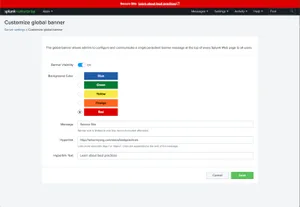
Display a Persistent Banner Message with the New Global Banner
Show a non-dismissible, highly-visible message across all of your Splunk product pages with the new Global Banner. This is one of our top-voted customer ideas so read more about how you can implement it.

A Pattern for Optimizing Go
Pprof is the standard way to profile Go applications that comes built in to go. The pprof package can expose via HTTP both memory and CPU usage across your application, as well as the running command line and contention information.
Extracting Data from Splunk Infrastructure Monitoring
Why and how would you extract data from Splunk Infrastructure Monitoring? Splunk's Barbara Snyder explains.

Having Cake and Eating It: How to Use Terraform to Build Splunk Alerts From Code
If making dashboards or detectors is a great way to protect and understand your stack, imagine if you didn’t have to make them and they just popped into existence.

Monitor Containerized Deployments on AWS Bottlerocket with Splunk
Learn how you can monitor the performance of containerized deployments on AWS Bottlerocket with Splunk.
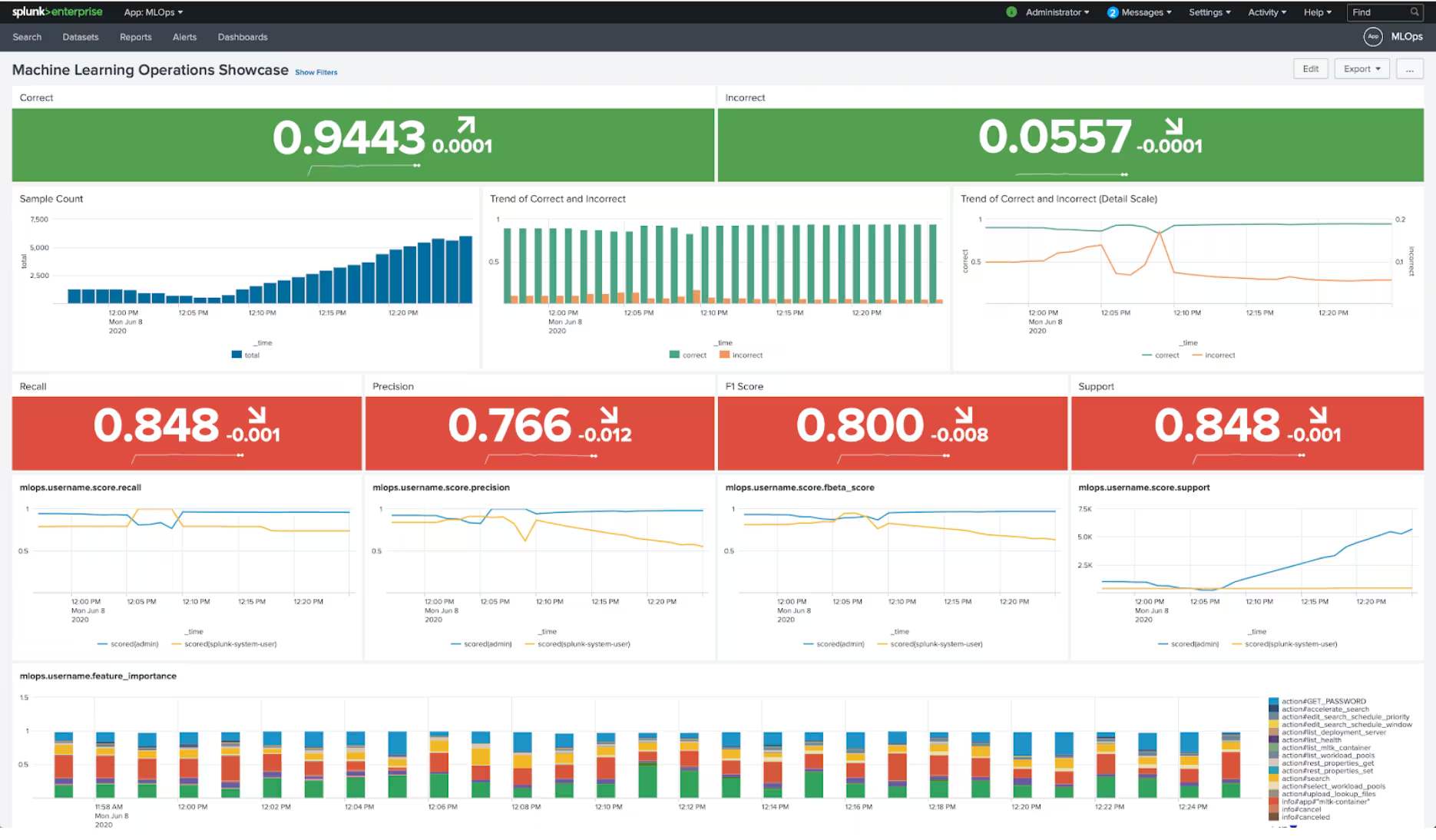
MLOps - Logs, Metrics and Traces to improve your Machine Learning Systems
Deployment of machine learning models to production needs monitoring of operations and performance. This is where Machine Learning Operations (MLOps) comes into play. Find out what it is and how it works in this article.
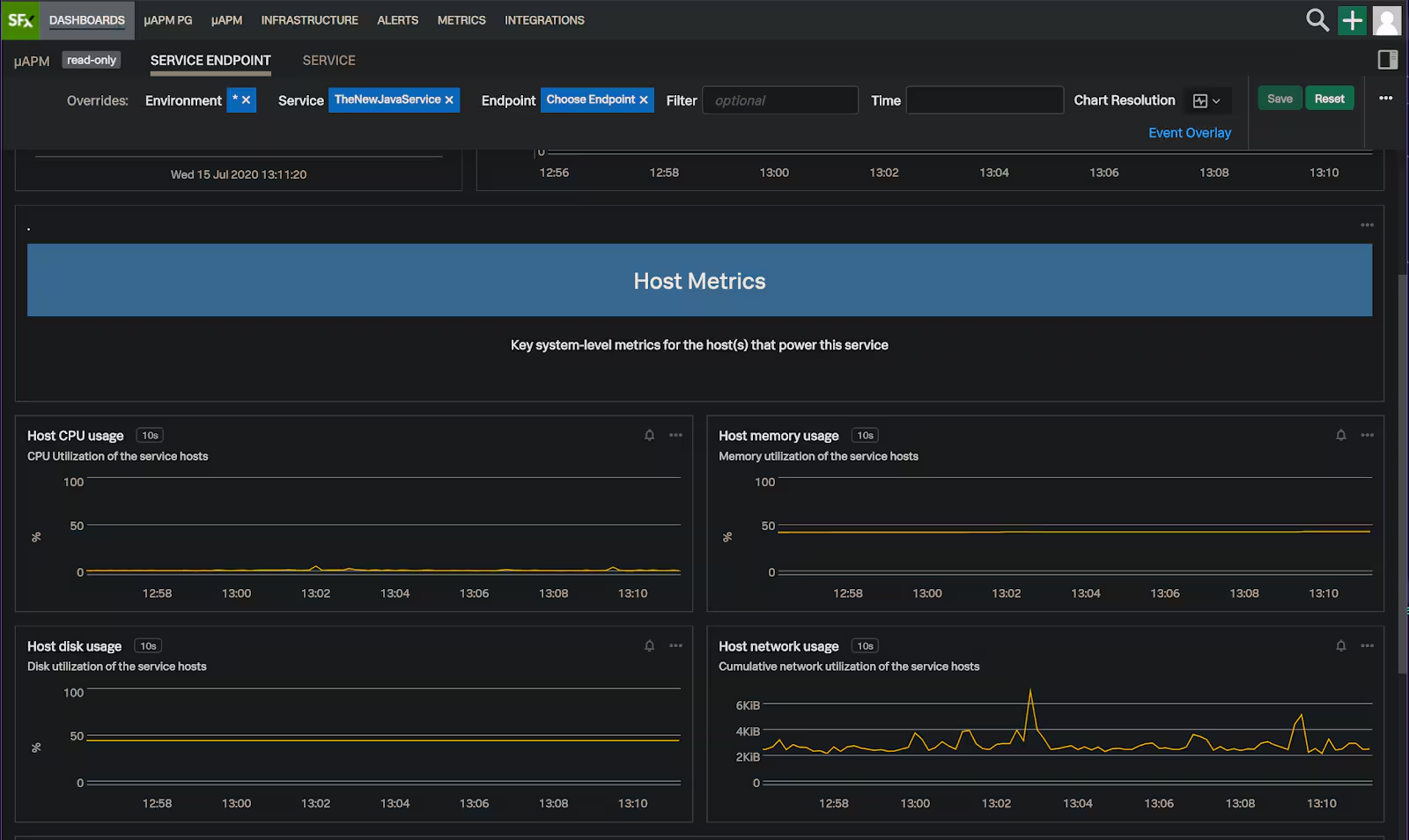
Full Java Observability in 5 Simple Steps
Learn how DevOps and IT teams are creating observable applications and infrastructure in Java environments with just five easy steps.
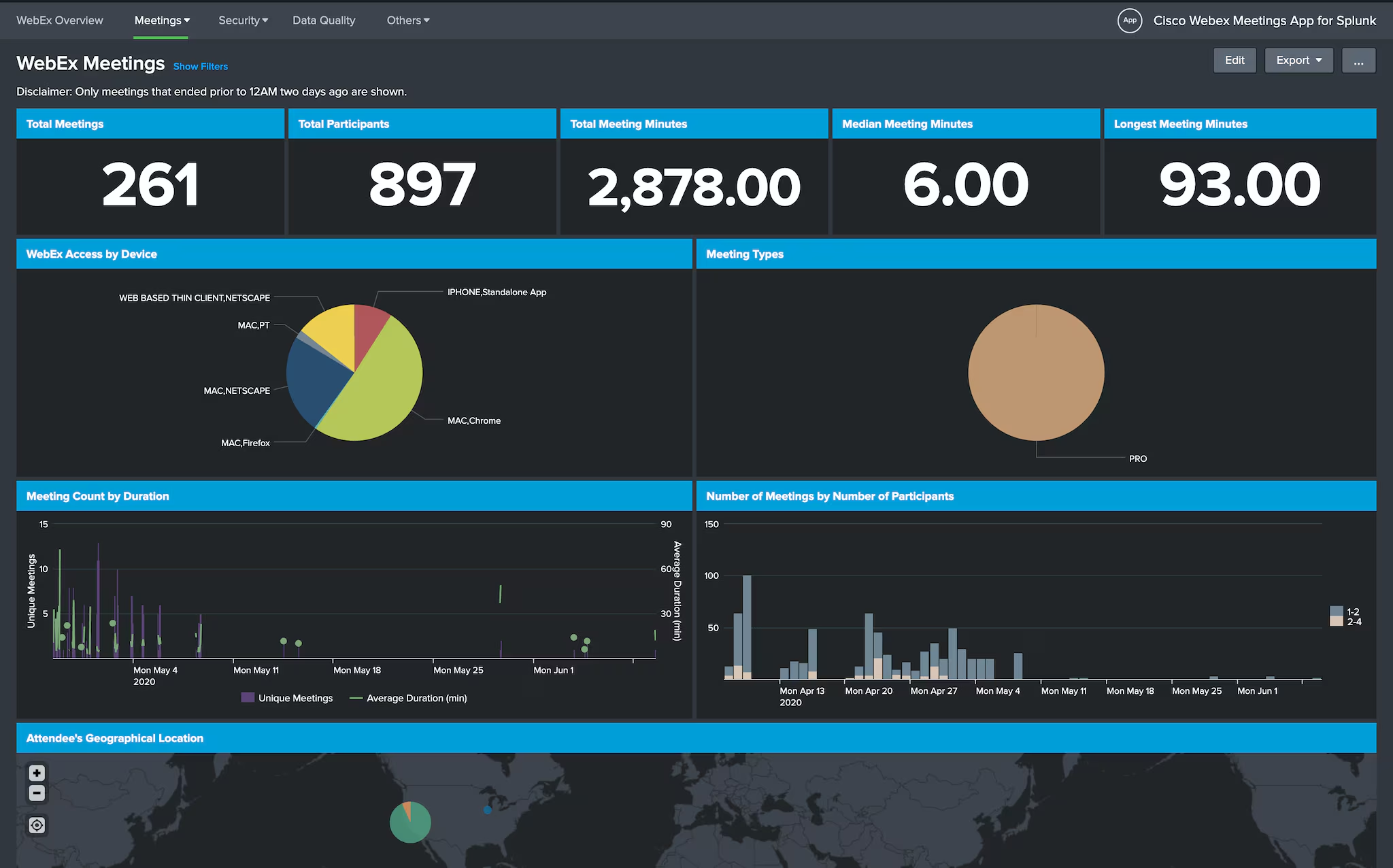
Splunking Cisco Webex Meetings Data
Check out this detailed walkthrough of Cisco Webex Meetings Add-on for Splunk.
Introducing the Splunk Infrastructure Monitoring Terraform Provider
HashiCorp Terraform is a provisioning tool that enables organizations to adopt an infrastructure as code workflow. Using configuration files stored in version control your organization can manage in-house assets or infrastructure in one — or even many — clouds.