Cisco AppDynamics GovAPM delivers FedRAMP authorized all-in-one visibility
Similar to private sector counterparts, government organizations are embracing innovative cloud strategies. Cloud migration can unlock powerful outcomes, but it doesn’t change the need for compliance and great application performance.
Cisco AppDynamics GovAPM delivers both — and much more. This purpose-built solution enables government agencies to efficiently manage applications and drive cloud adoption while maintaining high security standards. It enables federal and state government agencies to better understand user experiences, improve performance and better connect citizens with critical government resources.
To strengthen security compliance and risk management, Cisco AppDynamics GovAPM is fully FedRAMP (Moderate) authorized. In a recent FY23 FedRAMP audit, the solution successfully maintained its FedRAMP (Moderate) Authorization to Operate (ATO), which is mandatory for all government Cloud Service Providers (CSP).
Delivering application performance monitoring insights
Cisco AppDynamics GovAPM helps agencies gain visibility into distributed application environments to identify bottlenecks, investigate performance data and accelerate innovation enabling IT teams to:
- Quickly pinpoint the root cause of issues before they become widespread.
- Understand normal baseline activity and flag anomalies in performance behaviors.
- Correlate application health to mission outcomes in real-time with Business IQ.
Today, AppDynamics GovAPM is better than ever, with powerful new visibility and monitoring features to drive compelling outcomes.
Network Visibility
The new Network Visibility feature helps agencies answer the question: is the network to blame for performance issues in my application?
Network Visibility enables organizations to identify the root cause of performance issues in the application, network or application/network interactions. For example, it can provide insights into how an application or server utilizes the network and pinpoint traffic flows, individual nodes and transport connections where network or application/network issues are happening.
Network Visibility also collects detailed metrics that show how the network is performing and how well applications use network connections and resources. To help ensure the right information reaches the right people, it collects and reports targeted troubleshooting information to network, IT, DevOps and other teams.
Infrastructure Visibility
AppDynamics Infrastructure Visibility provides end-to-end visibility on the performance of the hardware running applications. It helps agencies understand how server and database resources impact app performance and user experiences. It also helps identify and troubleshoot problems that affect critical applications, such as server failures and JVM crashes.
With Infrastructure Visibility, agencies can correlate infrastructure metrics alongside application performance metrics to find the root cause of issues fast. It establishes a baseline performance of the underlying infrastructure to proactively alert the IT team about any deviations.
End User Monitoring
Delivering a superior user experience is top of mind for every organization. AppDynamics End User Monitoring (EUM) helps agencies optimize user experiences with unprecedented insights into how constituents interact with applications. This feature provides end-to-end visibility on the performance of web and mobile applications and allows organizations to observe user behavior to prioritize fixes that impact the most people. In addition, it lets technologists understand how variables, such as a user’s location, browser version or device type, relate to an application performance problem. AppDynamics EUM ensures the best possible performance of key user journeys under periods of peak load.
Browser Real User Monitoring
To provide a closer look at the end-user experience, AppDynamics Browser Real User Monitoring (Browser RUM) enables organizations to see how web applications perform from the end user’s point of view. Browser RUM lets agencies drill into data to explore how users experience an application in their web browsers. It offers multiple ways to look at data in real time, understand and improve web page performance, minimize errors and learn more about users.
Mobile Real User Monitoring
Mobile Real User Monitoring (Mobile RUM) enables understanding of native (iOS, Android) or hybrid (Xamarin, Cordova-based, React Native, Flutter, .NET MAUI) mobile applications — as end users actually use them. Mobile RUM helps agencies improve mobile application performance, reduce crashes and errors and learn more about their users. Its flexibility to align with specific needs allows organizations to customize the data that Mobile RUM returns.
Cluster Monitoring
For agencies with open source container orchestration, AppDynamics offers Cluster Monitoring capabilities. The AppDynamics Cluster Agent is a lightweight Agent used to monitor Kubernetes® and OpenShift clusters. Agencies can use the Cluster Agent to understand how Kubernetes infrastructure affects applications and business performance. The Cluster Agent can also collect metadata, metrics and events for a Kubernetes cluster. It’s supported on Red Hat® OpenShift® and cloud-based Kubernetes platforms such as Amazon EKS, Azure AKS and Rancher.
More new features on the horizon
Government organizations are dynamic environments, so we’re constantly innovating to help agencies like yours keep pace with new challenges and technologies. If you’d like to learn more about how Cisco AppDynamics can help acquire the visibility and insights you need to deliver a superior experience to every user, explore the FedRAMP solutions page.
Related Articles
Display a Persistent Banner Message with the New Global Banner

A Pattern for Optimizing Go
Extracting Data from Splunk Infrastructure Monitoring

Having Cake and Eating It: How to Use Terraform to Build Splunk Alerts From Code

Monitor Containerized Deployments on AWS Bottlerocket with Splunk
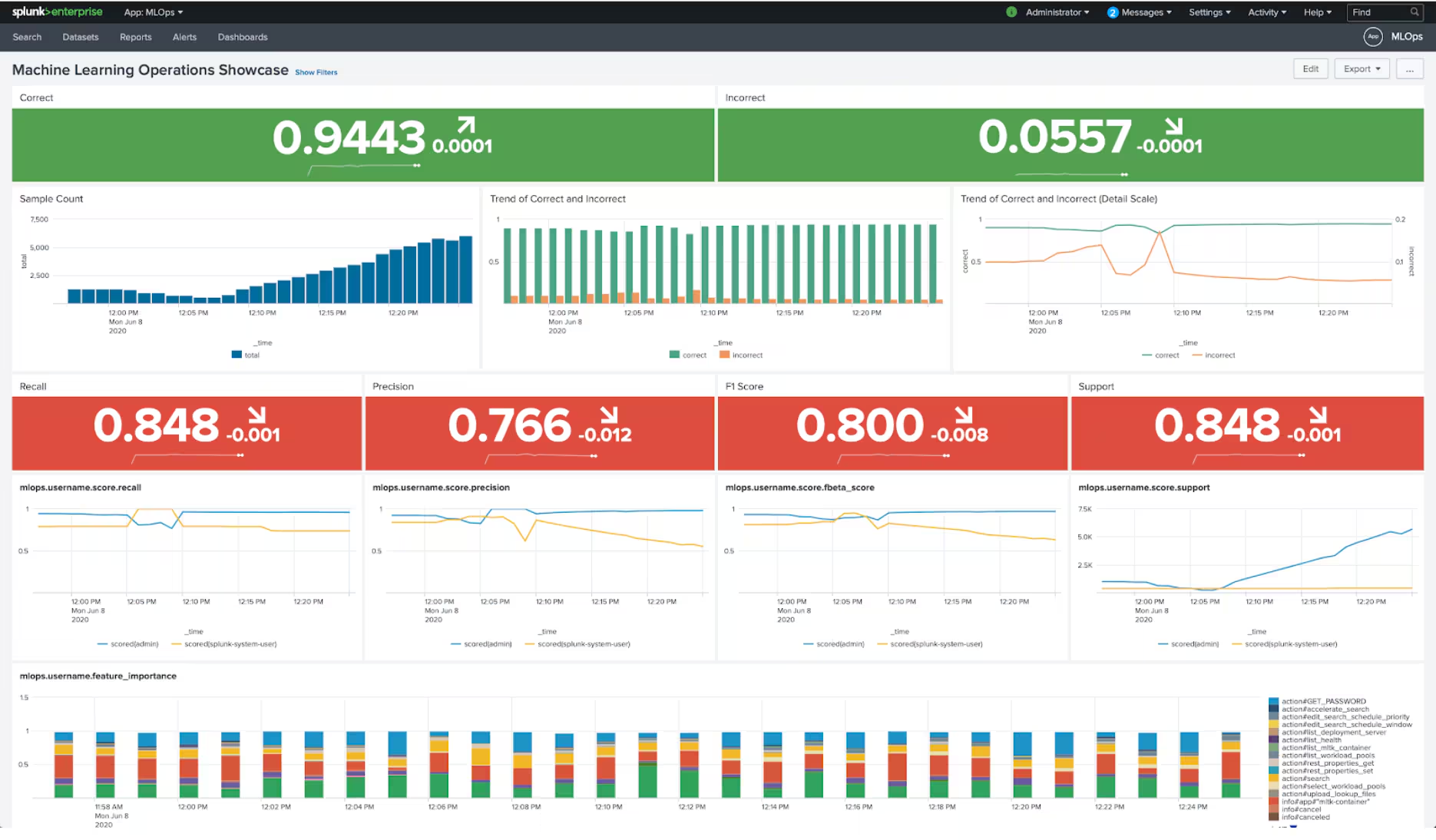
MLOps - Logs, Metrics and Traces to improve your Machine Learning Systems
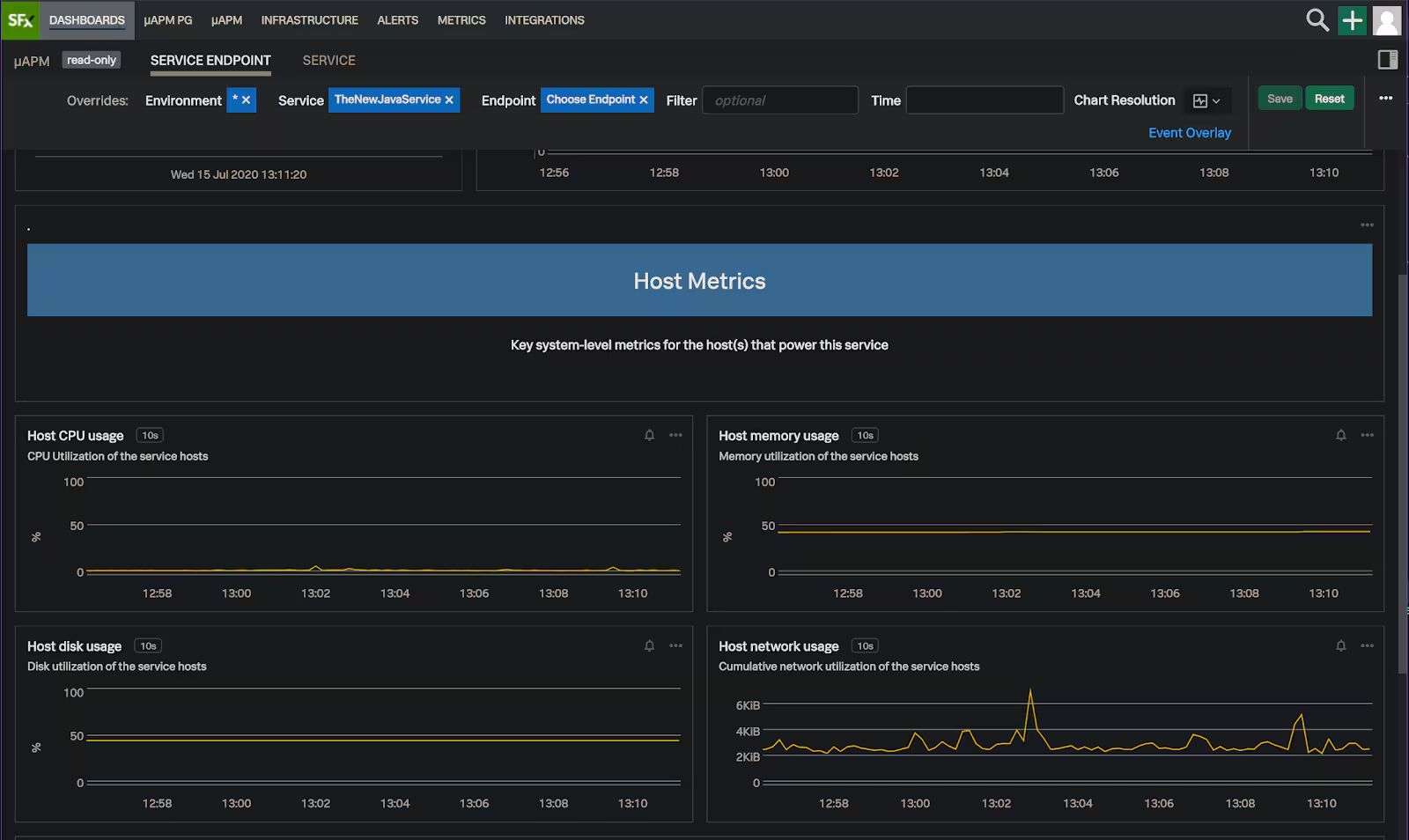
Full Java Observability in 5 Simple Steps
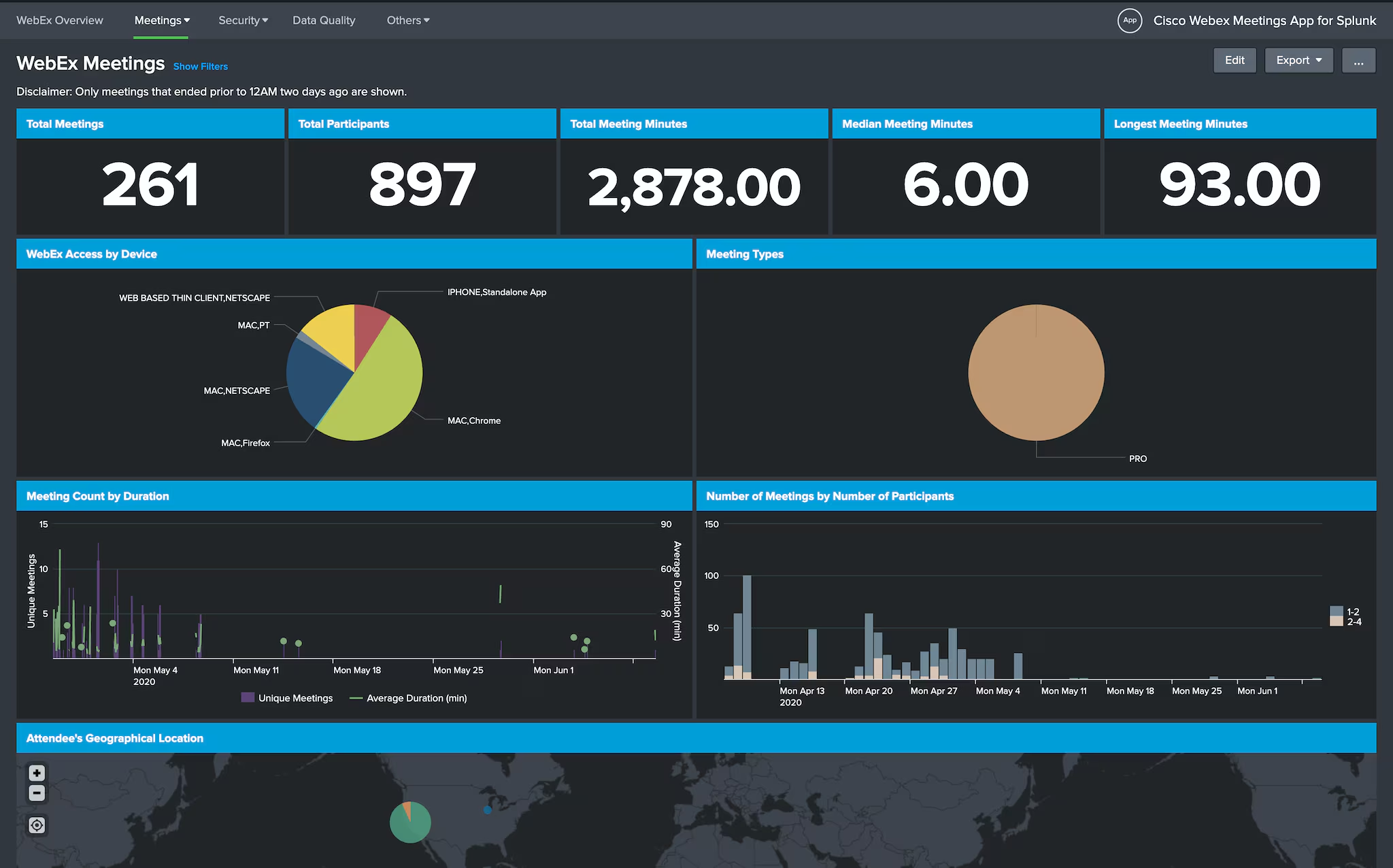
Splunking Cisco Webex Meetings Data